
Why Solar Street Lights Fail, and How to Prevent It
Shinesun's editorial team writes about solar lighting based on our manufacturing, installation, and field-service experience across India.
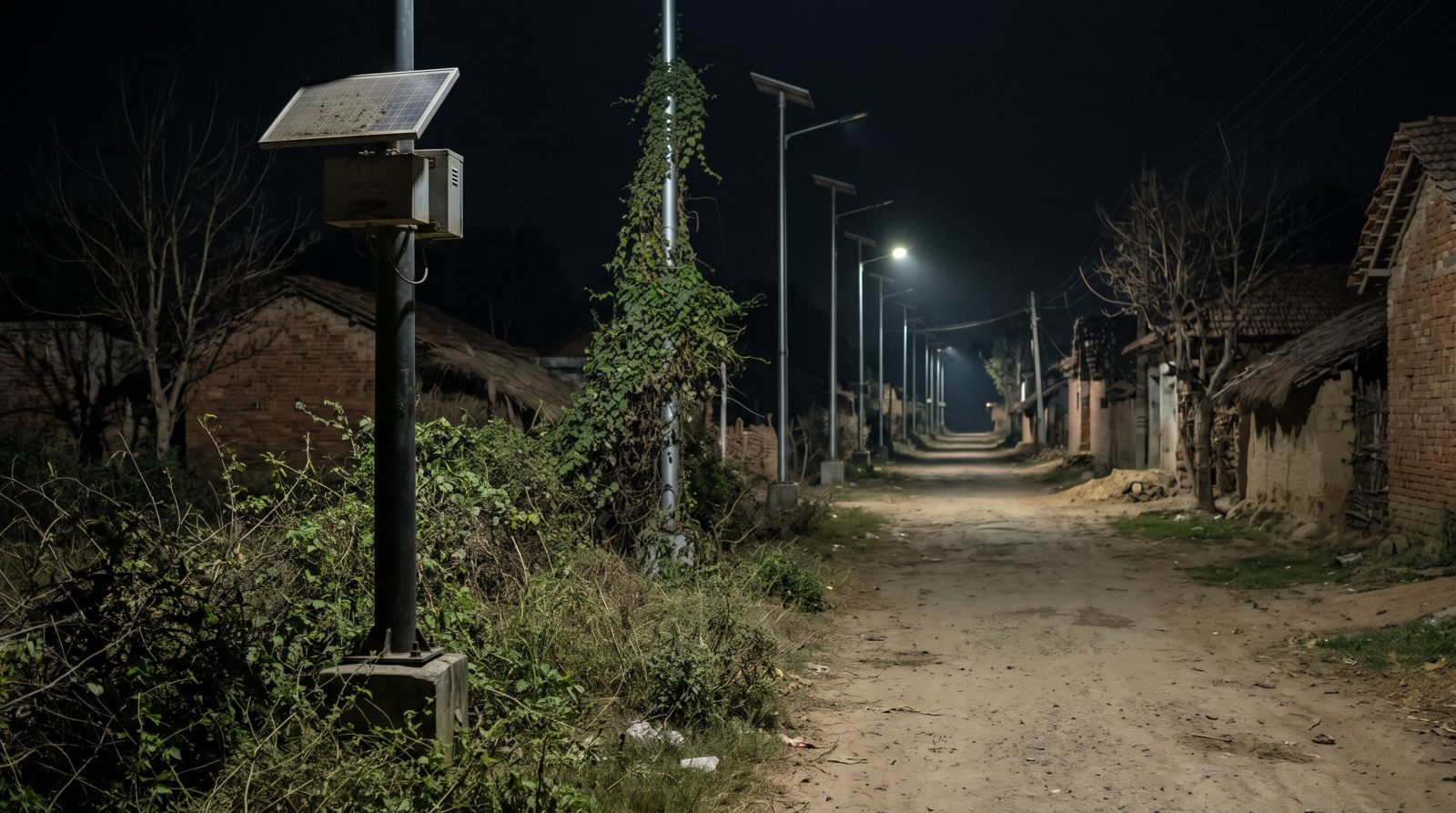
Why solar street lights fail is rarely a mystery: the battery and panel were sized to win on price, the cells were cheap, the panel sat in shade, or nobody was responsible for upkeep. Each of these is decided before the first pole goes up, so each one can be prevented.
This guide is for societies, panchayats and campuses buying lights for shared roads. It covers the causes first, then how to specify and run a project so the lights still work in year five.
Why solar street lights fail: the causes behind a dark pole
A solar street light is a small energy budget: the panel must put back each day what the LED used the night before, with some to spare for cloudy spells. When that budget is short, the light fails slowly, so the trouble often shows only in the second year.
Battery and panel sized to win on price
When a purchase is judged on price alone, the easiest saving is a smaller battery and a smaller panel. The fixture looks the same on the pole and works well through the first dry season.
Then the monsoon arrives. The battery starts each night part-empty, the light dims or cuts out before dawn, and a battery drained flat night after night ages much faster than its rating.
Low-bid procurement
A tender line that says only "40 W solar street light" invites trouble. Two bids that both meet those words can differ widely in battery capacity, panel size and LED quality, and the cheaper one usually wins. The answer is a specification written in numbers that cannot be gamed, set out below.
Cheap cells and the wrong chemistry
Battery cells are the costliest part of a fixture and the easiest place to cut. Recycled or mismatched cells can pass a handover test and fade within a couple of seasons. Lead-acid is a budget, legacy choice, typically good for 3 to 4 years.
LiFePO4 is the current standard for street lights and is rated for 8 to 12 years of service. It is thermally stable to about 60°C, which matters in a pole-top housing through an Indian summer, and it carries a low fire risk. See LiFePO4 against lithium-ion.
Panels in shade, facing the wrong way or dusty
A panel that loses a few hours of sun a day never fully recharges the battery. Trees grow, buildings go up, and a pole that cleared the canopy in June can sit in shadow in December when the sun is low. In India a panel should face south, and one turned to suit the line of the road can lose much of its harvest.
Dust, bird droppings and the film left after rain all cut charging, and nobody notices until the lights start dying early. Stray light is the other trap: a shop sign shining on the panel can stop the light switching on at dusk.
No maintenance plan and no owner
On shared projects this is the most common root cause. The contractor hands over, the committee changes, and the lights belong to everyone and so to no one. A loose clamp or a dirty panel goes unreported until half the road is dark.
A solar light needs little attention, but it needs some. Without a named person and a schedule, small faults grow into dead fixtures and the warranty lapses unused.
Theft and vandalism
Older split designs kept a lead-acid battery in a box at the foot of the pole, where it was easy to remove and worth selling. Mounting the fixture at 5 m puts it out of easy reach, and our guide to preventing solar street light theft covers the rest.
Poor foundations
A 5 m pole carrying a panel catches the wind like a sail. A shallow base or loose fill lets it lean, tipping the panel away from the sun or bringing the pole down in a storm. The foundation has to suit the soil and the wind at that site.
How to specify a project so it lasts
Write the specification in measurable numbers and ask every bidder to fill them in. Anything a bidder leaves blank is a warning in itself.
| Specify | Why it matters | Example from our range |
|---|---|---|
| Light output in lumens | Watts on a label say little about light on the road | Bat 40W: 1,600 lm |
| Battery capacity and chemistry | Decides how well the light carries through the night and cloudy days | Bat 40W: 12 Ah LiFePO4 |
| Panel wattage | Decides how fast the battery refills each day | Bat 40W: 15 W panel |
| Charge controller | MPPT draws more from the panel than a basic controller | MPPT across the Bat range |
| Ingress protection | Monsoon rain and dust | IP65 across the Bat range |
| Mounting height and spacing | Poles too far apart leave dark gaps | 5 m height, poles 12–15 m apart |
| Warranty, part by part | Battery, LED, panel and controller age differently | 2 year warranty on the Bat range |
Lumens and battery capacity matter most, and both belong in the bid in writing. Ask for the warranty to name each component and its period, so there is no argument later about which part is covered. Our technical guideline for solar street light projects goes clause by clause, and public buyers should also read solar street lights for government projects.
Survey the site before ordering
- Walk the route at midday. Mark every pole position where trees, walls or buildings could shade the panel, and picture the winter sun, which sits lower.
- Think about who can see each pole. A pole in view of houses or a guard is far less likely to be tampered with.
Running it: a schedule and a named owner
Give one person the job of the lights, by name, with the authority to call the supplier. Keep a simple register: pole number, location, fixture, date installed and warranty end date.
| When | Task |
|---|---|
| Every month | Walk the route after dark and note any light that is off, dim or cutting out early |
| Before the monsoon | Clean every panel; check clamps and brackets are tight |
| After the monsoon | Clean the panels again; look for leaning poles and damaged housings |
| Once a year | Trim trees that have grown towards the panels; check foundations |
| Before the warranty ends | Inspect every fixture and raise any claim while it is still covered |
Our guide to maintenance of solar lights covers cleaning without scratching the panel. When a light fails, the register shows whether it is one fixture or a pattern.
What we supply for shared roads
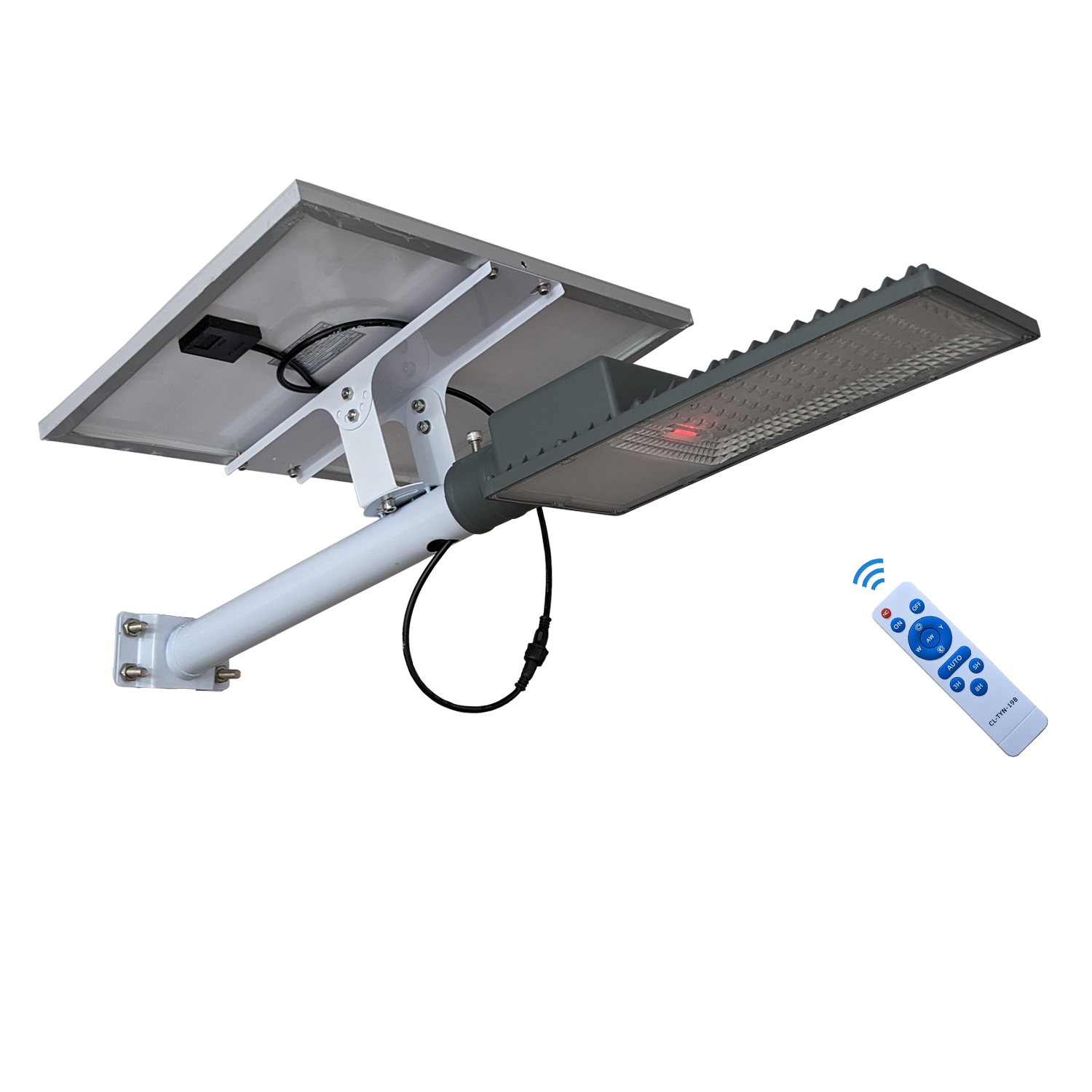
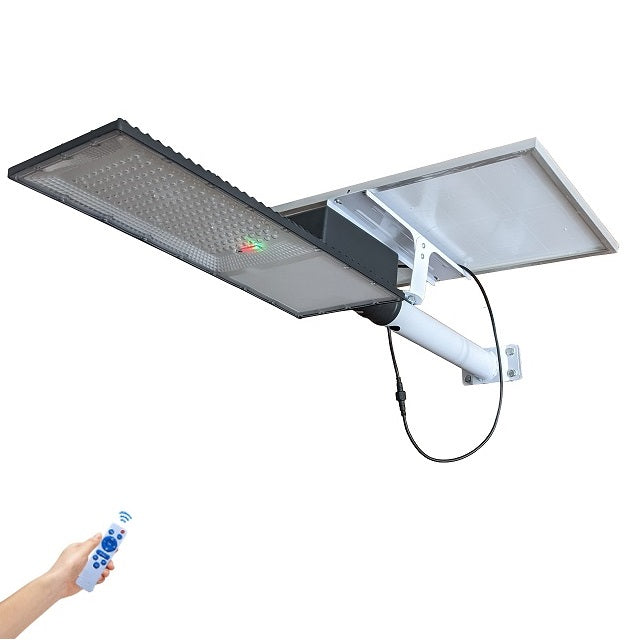
Our Bat range pairs LiFePO4 batteries with MPPT controllers in IP65 housings, with a 2 year warranty. The Bat 40W at Rs. 7,550 suits society roads and lanes, and the Bat 90W at Rs. 11,999 gives 3,129 lumens for wider approach roads.
For main roads, the Bat 150W gives 6,000 lumens from a 120 Ah battery at 6 to 7 m. Poles, foundations and installation are quoted per site, and projects of many lights get a project quote.
Frequently asked questions
Why do solar street lights stop working after a year or two?
Usually because the battery or panel was too small, the cells were cheap, the panel is shaded or dusty, or nobody maintains the lights. Each of these is decided at purchase and handover, so each can be prevented.
What should a solar street light tender specify?
Lumens, battery capacity in Ah, battery chemistry, panel wattage, controller type, IP rating, mounting height, spacing and a warranty naming each component. Wattage alone lets a bidder cut the parts that decide how long the light lasts.
Which battery lasts longest in a solar street light?
LiFePO4, rated for 8 to 12 years of service. It is thermally stable to about 60°C and carries a low fire risk. Lead-acid is a budget, legacy choice that typically lasts 3 to 4 years.
How often should solar street lights be maintained?
Check them after dark every month, clean the panels before and after the monsoon, and once a year trim nearby trees and check brackets and foundations. Inspect every fixture before the warranty ends.
Who should be responsible for a society's solar street lights?
One named person, with a register of every pole and the authority to call the supplier. When the lights belong to a committee in general, small faults go unreported until many poles are dark.
Talk to the people who build them
Shinesun manufactures solar street, flood, garden, pathway and gate lighting in Bangalore and supplies across India. Everything is quoted against the site rather than sold from a cart, because the right fixture depends on where it is mounted and what the ground is used for. Browse the street light range or tell us about the site.
Shinesun Solar Street Lights
See the full range ›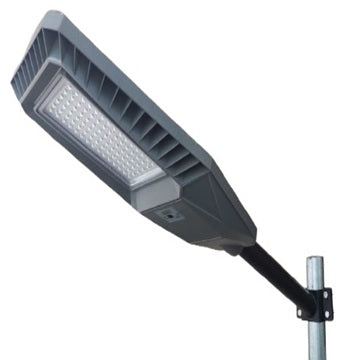
Related reading
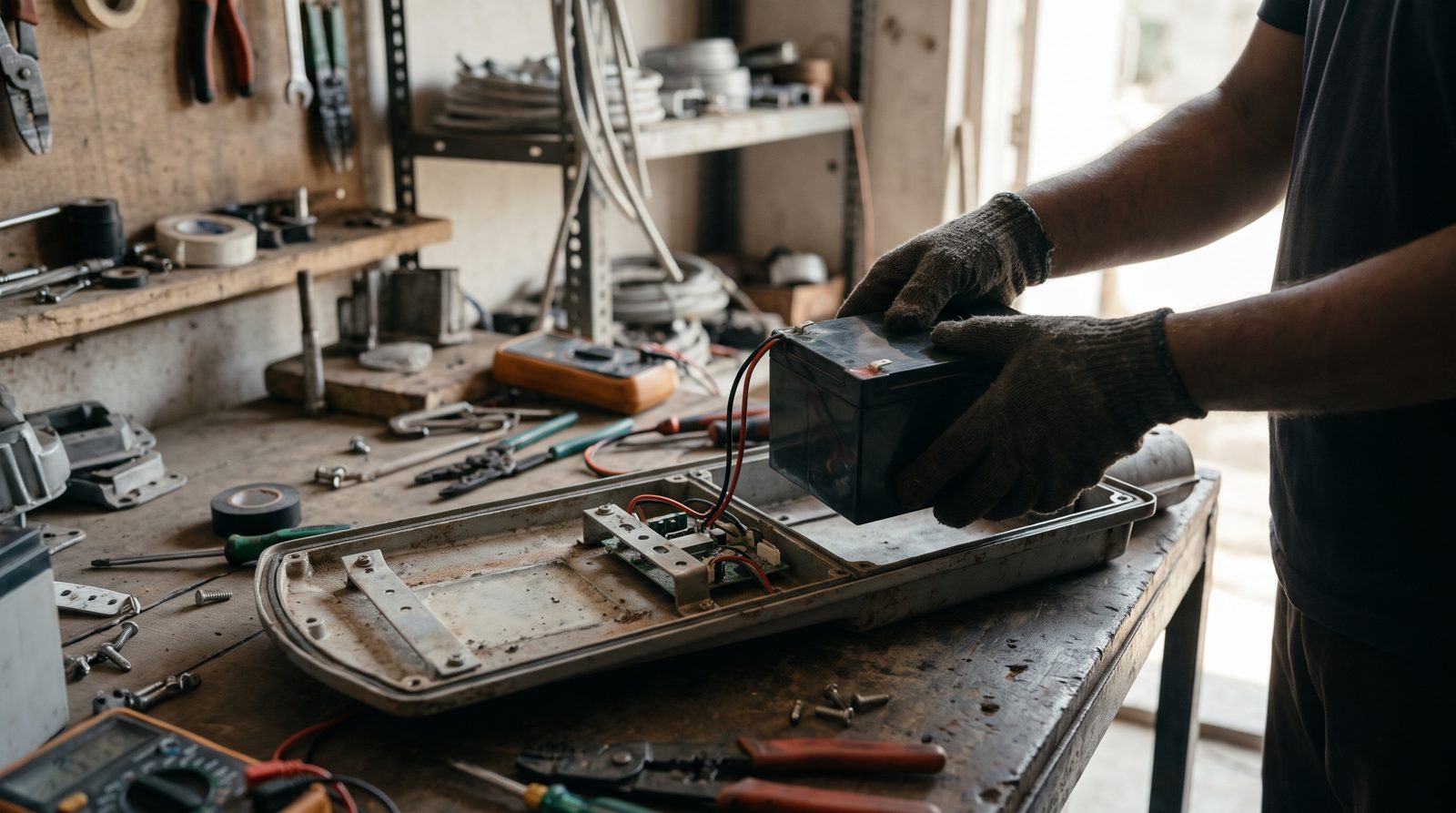
Solar Street Light Battery Replacement: Signs and Steps
A street light that runs short before dawn with a clean panel usually has a worn battery. The signs, how long each chemistry lasts, and what a replace...
Read more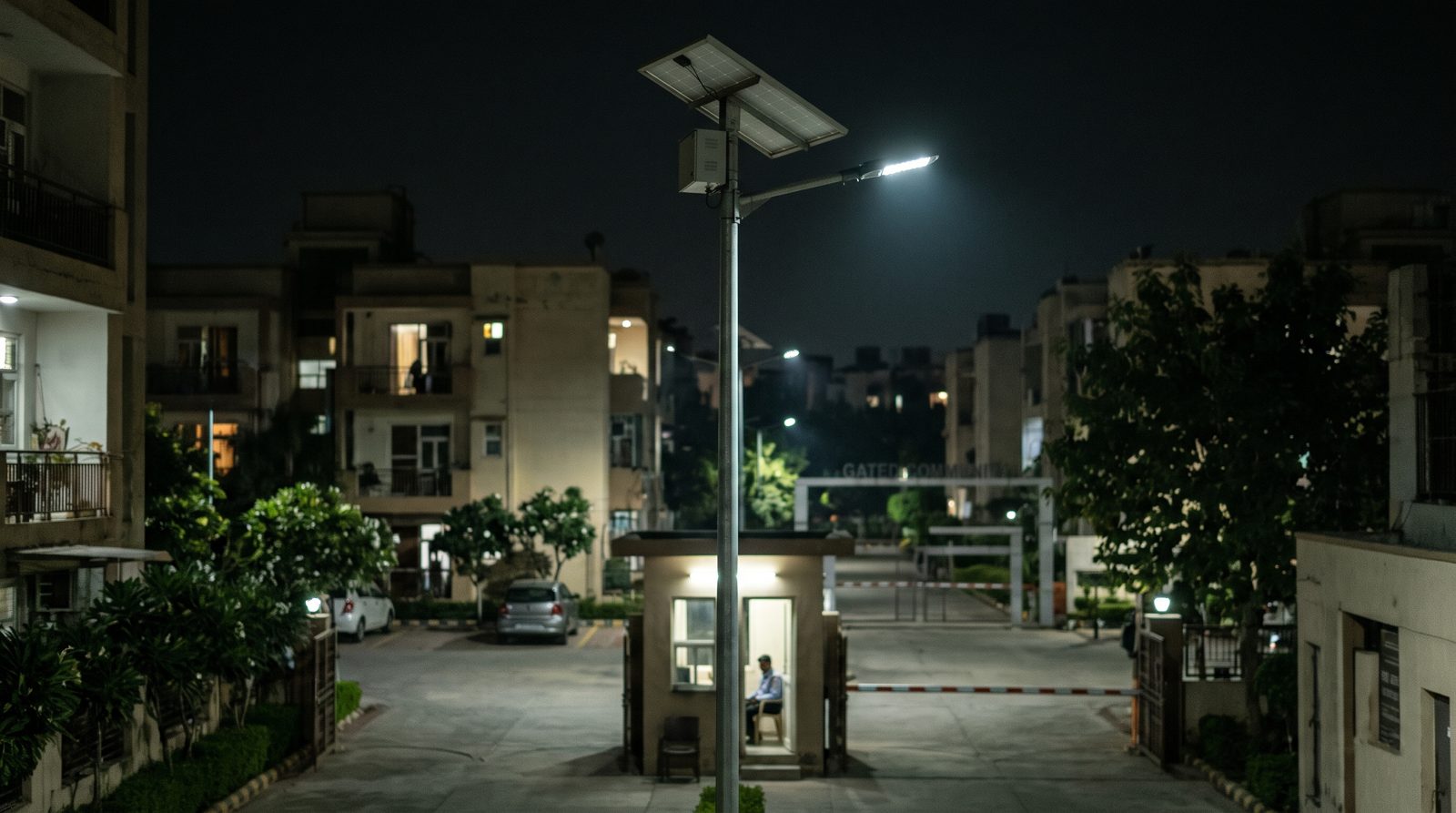
Solar Street Light Theft: How to Protect Your Lights
Most solar street light theft targets parts within easy reach, above all a battery box at the foot of the pole. How design, mounting height, siting an...
Read more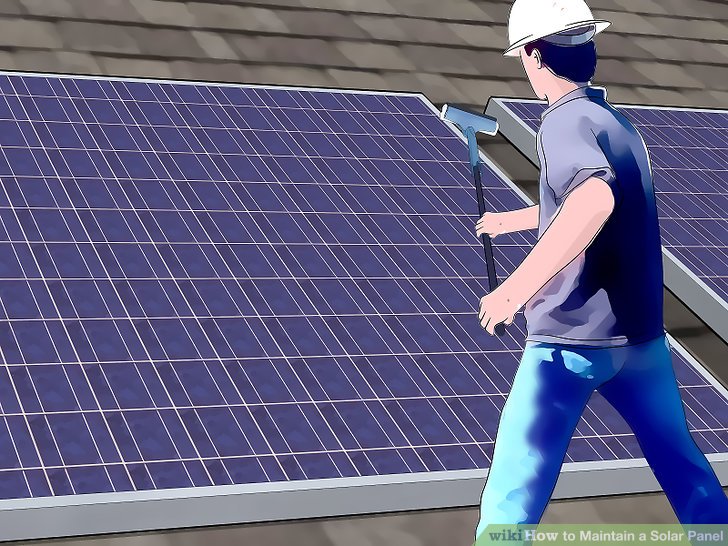
Why Your Solar Light Stopped Working: A Diagnostic Guide
A solar light that has stopped is usually telling you about its position, not its parts. Four checks, in the right order, separate a fixture that is b...
Read more