
Solar Street Light Theft: How to Protect Your Lights
Shinesun's editorial team writes about solar lighting based on our manufacturing, installation, and field-service experience across India.
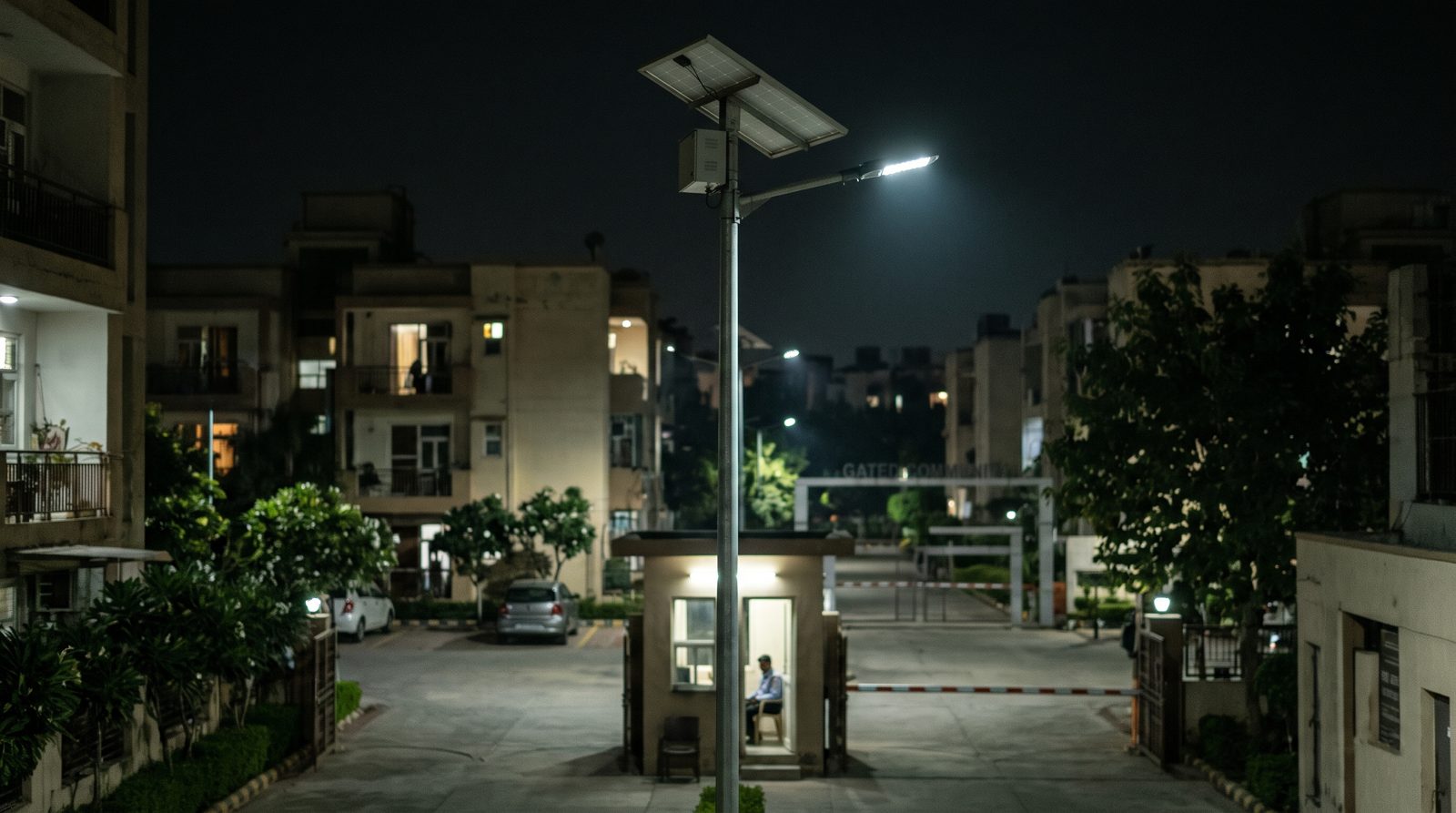
Solar street light theft is mostly a problem of reach: thieves take what they can remove quickly from the ground, and in older designs that meant the battery box at the foot of the pole. Mounting everything high on the pole, fixing it with tamper-resistant hardware, siting poles where people can see them and giving the lights a clear owner prevents most of it.
This guide covers why lights were stolen and what changed with integrated designs. It then sets out the practical steps a society, panchayat or site owner can take.
Why solar street light theft was so common
The first generation of solar street lights were split systems. The panel sat on top of the pole, the lamp hung from an arm, and a lead-acid battery lived in a metal box near the ground, joined by cable running down the pole. That battery box was the weak point.
A lead-acid battery is heavy, but it has a resale value and can be unbolted in minutes with ordinary tools. The cable had value too. Once a battery was gone the light was dead, and replacing it often cost more than the original budget allowed, so the pole simply stayed dark.
Panels mounted low on short poles were taken as well, or broken by stones. Vandalism is a separate problem from theft but follows the same rule: the easier a part is to reach, the more often it is damaged.
How pole-top and integrated designs change the picture
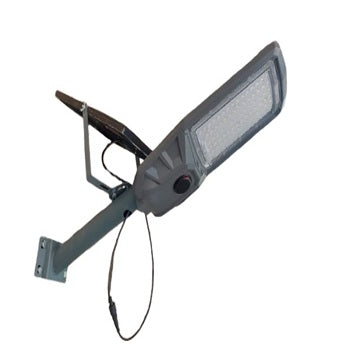
Integrated and all-in-one designs carry the battery up the pole with the light. There is no box at ground level and no long cable run to strip, so the easy target is simply gone. To take anything, a thief now needs a ladder or a lift and time in plain view.
Height is the other defence. Our street lights mount at 5 m, and the Bat 150W at 6 to 7 m, which puts the fixture out of easy reach. That height is chosen first for even light on the road, as explained in street light pole height, but it serves security as well.
| Risk | Older split design | Pole-top integrated design |
|---|---|---|
| Battery theft | Box at ground level, quick to unbolt | Battery up on the pole with the light |
| Cable theft | Cable runs down the pole to the box | Little or no exposed cable |
| Panel theft | Often mounted low on short poles | Mounted at the top of the pole |
| Stone throwing | Low lamp and panel easy to hit | Harder to hit at 5 m and above |
Battery chemistry matters here too, though for a different reason. A LiFePO4 battery is rated for 8 to 12 years of service, against 3 to 4 years for lead-acid, so it needs replacing far less often. Each battery change is a visit, a cost and a moment when a pole is open, and fewer of them means fewer chances for parts to go missing.
Practical steps for solar street light security
Use tamper-resistant fasteners
Ordinary hex bolts come off with any spanner. Fasteners that need a special driver, such as pin-hex or other security heads, slow a thief down and stop casual tampering. Some installers also burr or lock the exposed thread once the bolt is tight, so the nut cannot be turned at all.
We can advise on fasteners for the brackets and pole fittings when we quote a site. Keep the special driver with the person responsible for the lights, not in the contractor's van.
Choose the pole with security in mind
A smooth pole with no steps or footholds is harder to climb. Where a pole has an access door or hatch near its base, make sure it can be locked. Poles, foundations and installation are quoted separately for each site, so these choices can be made to suit the location.
Site poles where people can see them
Theft and vandalism happen out of sight. A pole near houses, a gate, a guard post or a shop is watched for free, while one at the far end of an empty road is not. Where a dark stretch has to be lit, consider whether a pole can stand where at least one house looks onto it.
Keeping the lights working helps too. A road that stays lit all night is seen and used, and a broken light that is repaired quickly signals that someone is paying attention. For spacing poles along a route, see pole spacing for gated societies.
Keep records
Number every pole and keep a register with its location, the fixture model, the date installed and a photograph. Note any serial numbers on the fixture and the warranty end date. If something is stolen, a complete record makes a police complaint and a replacement order far quicker.
Give the lights an owner
Lights that belong to everyone are watched by no one. Name one person in the society or panchayat as responsible, and make it easy for residents to report a dark or damaged pole to them. Neighbours who know whom to call become the cheapest security a project can have.
Ownership also covers the routine work in maintenance of solar lights, such as panel cleaning and bracket checks. The same monthly walk after dark that spots a dim light will spot a missing one.
Where motion sensing helps
A light that changes when someone moves can deter tampering at a gate or a side lane. The Owl 100W sits at a low glow and jumps to full brightness when something moves, drawing attention to whoever is near it. Running at full output only when needed also makes its 10 Ah battery go further.
For roads that need steady light all night, the Bat range suits better. The Bat 40W, at Rs. 7,550, puts out 1,600 lumens from a 12 Ah LiFePO4 battery, and the wider integrated solar street light range scales up from there.
When lights are already being stolen
If a project is losing parts, look at the pattern before buying replacements. Thefts that cluster at one end of a road point to siting, while repeated battery losses point to a ground-level box that should be replaced by a pole-top design. Our guide to why solar street lights fail covers the other reasons a project goes dark.
Frequently asked questions
What part of a solar street light is stolen most often?
The battery, especially in older split designs where a lead-acid battery sat in a box at the foot of the pole. Cables and low-mounted panels were also taken. Pole-top integrated designs remove that ground-level target.
How high should a solar street light be mounted to deter theft?
Our street lights mount at 5 m, and the Bat 150W at 6 to 7 m. That height puts the fixture out of easy reach while also spreading light evenly across the road.
Do anti-theft bolts help on solar street lights?
Yes. Fasteners that need a special driver slow a thief and stop casual tampering, and locking the thread after tightening helps further. We can advise on fasteners for a site when we quote it.
How can a society prevent solar street light vandalism?
Site poles where houses or a guard can see them, mount fixtures high, repair damage quickly and name one person responsible for the lights. Residents who know whom to call report problems early.
Are integrated solar street lights safer from theft?
Generally, yes. The battery travels up the pole with the light, so there is no ground-level box and little exposed cable. Removing anything means climbing the pole in plain view.
Talk to the people who build them
Shinesun manufactures solar street, flood, garden, pathway and gate lighting in Bangalore and supplies across India. Everything is quoted against the site rather than sold from a cart, because the right fixture depends on where it is mounted and what the ground is used for. Browse the street light range or tell us about the site.
Shinesun Solar Street Lights
See the full range ›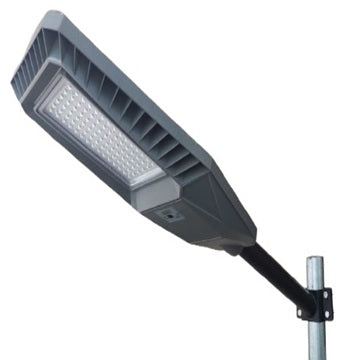
Related reading
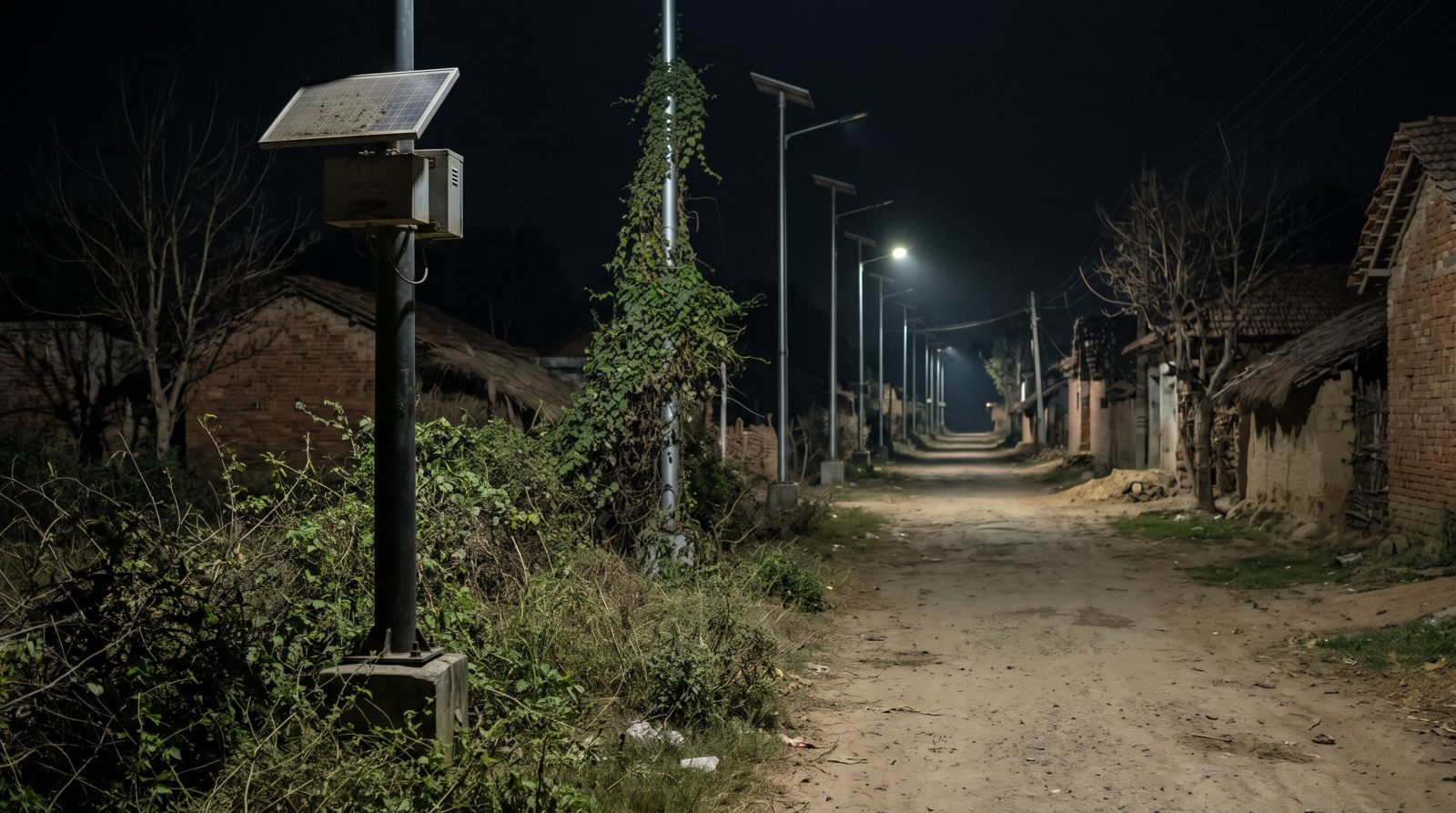
Why Solar Street Lights Fail, and How to Prevent It
Solar street lights on shared roads usually go dark because of choices made at tender and handover. The real causes, and how to specify and run a proj...
Read more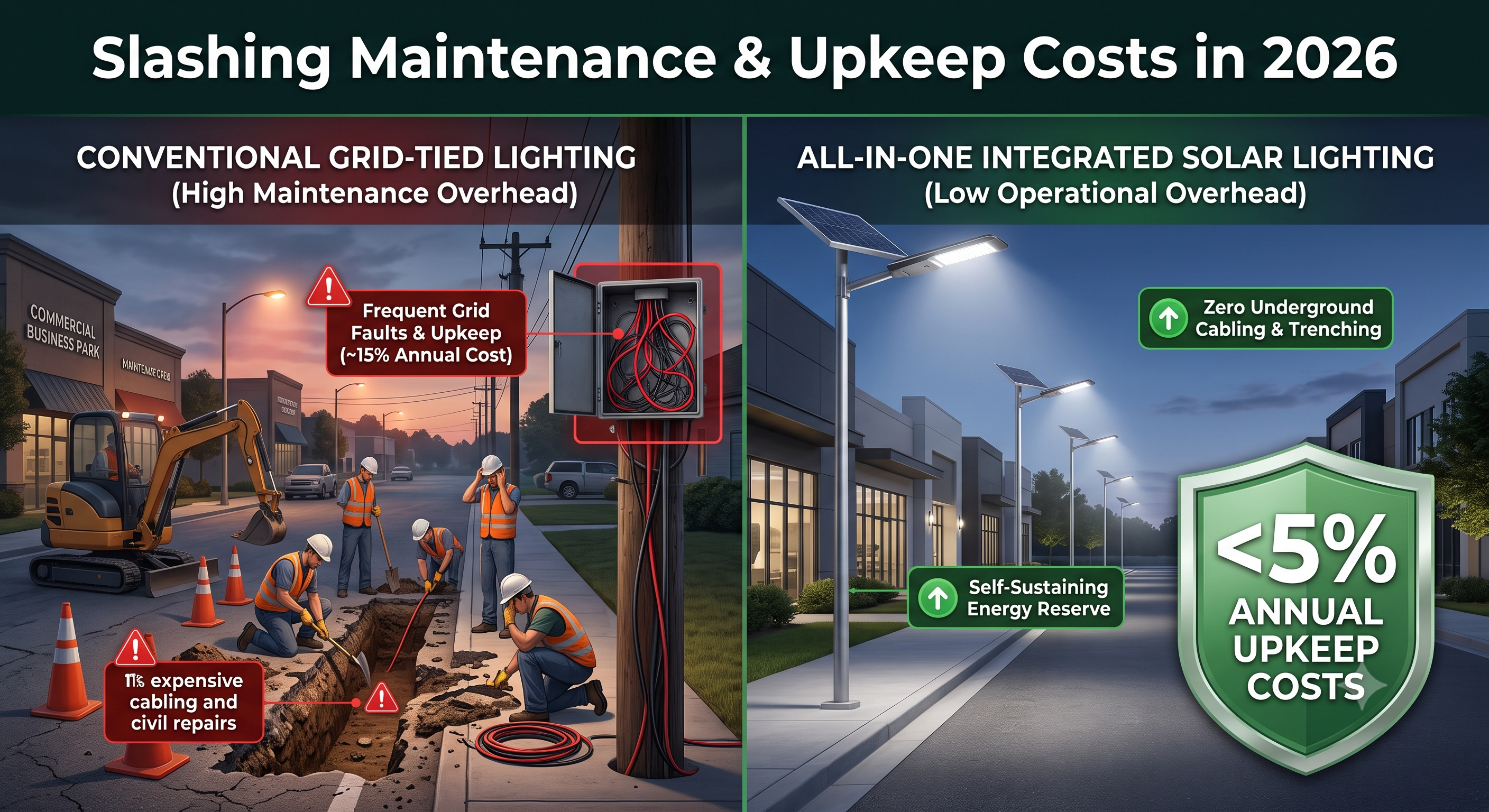
Why Solar Street Lights Slash Annual Upkeep Costs to Under 5 percent
Read more
How Many Watts of Solar Street Light Do You Need?
Wattage is the number everyone quotes and the worst one to start from. Mounting height and spacing decide the answer, and getting those wrong is behin...
Read more