
Why Your Solar Light Stopped Working: A Diagnostic Guide
Shinesun's editorial team writes about solar lighting based on our manufacturing, installation, and field-service experience across India.
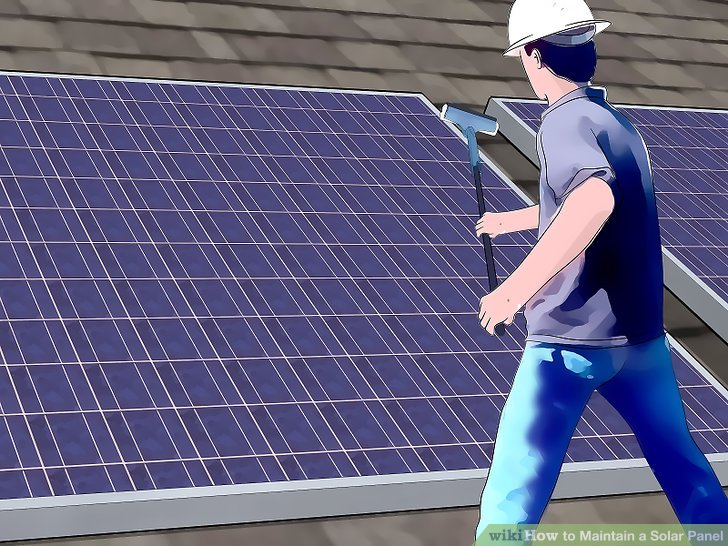
A solar light that has stopped working has four things that can be wrong with it, and they are not equally likely. In our field experience the order below reflects how often each one is actually the cause. Working through it in sequence takes about ten minutes and settles the question before anybody opens a housing or files a warranty claim.
The single most common finding is that nothing has failed at all. The fixture is not receiving enough charge, and it is behaving exactly as designed.
1. Charge: is the panel actually in sun?
A solar fixture is a battery that happens to have a lamp attached. Everything downstream depends on what the panel collected, and the panel does not need daylight so much as it needs direct daylight for a usable part of the day.
Go to the fixture around midday and look at the panel, not at the sky. You are looking for three things:
- Shadow. A tree that was pruned two summers ago, a neighbour's new floor, a water tank, a parapet. Shade that crosses the panel for two hours in December may have missed it entirely in June. This is the most common single cause of "it worked last year".
- Dust film. Indian road dust builds a grey haze that is easy to look past. It is not opaque, so the panel still works, just at a fraction of its output. Wipe a corner clean with a damp cloth and compare it against the rest — if there is a visible difference, that dust has been costing you runtime all season.
- Angle. A panel that has slipped towards horizontal collects less and, worse, stops shedding dust when it rains. See which way a solar panel should face in India.
Clean the panel, clear the shading if you can, and give it two full clear days before judging. One day is not enough to refill a depleted battery.
2. Sensing: does the fixture think it is still daytime?
Almost every outdoor solar light switches on by reading light level, not by clock. The sensor is usually the panel itself or a small LDR beside it. If either sees light at night, the lamp stays off and the fixture looks dead.
The culprit is nearly always another light source: a security lamp on the same wall, a corridor light, a streetlight the fixture was mounted directly beneath. Test it by covering the panel completely with a cloth or your palm during the day. A healthy fixture should light within roughly thirty seconds. If it does, the fixture is fine and the mounting position needs to change.
On motion-sensor models, also check that you are actually walking through the detection zone. PIR sensors respond to movement across their field far better than to movement straight towards them, and their range shortens considerably in hot weather because they work on temperature difference. How PIR sensors work covers this in more detail.
3. Battery: short runtime rather than no light
Battery symptoms look different from charge symptoms. A dying battery gives you light — it just does not last. The fixture comes on at dusk, runs bright for an hour or two, then dims or cuts out well before morning. That pattern, on a fixture that is genuinely getting sun, points at the cell.
What is reasonable depends entirely on the chemistry inside:
- LiFePO4 — the standard in our street lights, rated for 8 to 12 years of service. If a LiFePO4 fixture is fading inside three years, something else is wrong; suspect charge before the cell.
- Lithium-ion — used in compact accent fixtures such as our Volcano gate lights, where the size and duty cycle make it the right fit rather than a cut corner. Expect roughly 4 to 6 years.
- Lead-acid — found in budget imports. Three to four years, and the replacement cost is the hidden half of a low quote.
Winter shortens runtime on any chemistry, because the nights are longer and the charging window is shorter at the same time. A fixture that runs all night in April and cuts out at 3 am in December is usually behaving normally, not failing. How long solar lights stay on at night sets out what to expect.
4. Water: the failure that is genuinely a failure
If the first three checks come back clean, look for water. Hold a torch against the lens and look for droplets or a tide mark inside, corrosion at the gasket line, or a housing that rattles with liquid when tilted.
Water ingress is the one item on this list that is a real fault, and it is almost always a specification problem rather than bad luck. IP65 is the floor for anything mounted in the open in India; our street fixtures use IP66 die-cast aluminium because monsoon rain arrives sideways and boundary walls catch spray from the road. A fixture that does not state a rating at all should be treated as unrated. See IP ratings explained.
The quick sequence
- Midday: is the panel in direct sun, clean, and correctly angled? Fix, then wait two clear days.
- Daytime: cover the panel. Does it light within thirty seconds? If yes, it is a sensing or position problem.
- Night: does it light and then fade early? Suspect the battery — and check the chemistry against the ages above.
- Any time: torch against the lens. Moisture inside is a genuine fault.
Three of those four are site problems that no replacement fixture will fix. That is worth knowing before you buy a second one.
Frequently asked questions
Why did my solar light work last year but not this year?
Nine times out of ten, something started shading the panel — a tree that has grown, new construction next door, or the sun sitting lower in winter. The second most likely cause is a dust film that has built up gradually enough that nobody noticed. Both are checked at midday by looking at the panel rather than the lamp.
How long should a solar light battery last?
It depends on the chemistry. LiFePO4, which our street lights use, is rated for 8 to 12 years. Lithium-ion in a compact gate or accent fixture gives roughly 4 to 6. Lead-acid, common in cheap imports, needs replacing in 3 to 4 years. If a fixture is fading much sooner than its chemistry suggests, check charging before blaming the cell.
My solar light comes on but goes off after an hour. What is wrong?
That pattern is a charge or battery problem, not a lamp problem. The fixture has enough energy to start and not enough to continue. Clean the panel, confirm it gets direct midday sun, and allow two clear days to recharge fully. If it still cuts out early and the fixture is more than a few years old, the battery is likely at end of life.
Can I replace the battery in a solar light myself?
On larger street fixtures the battery is a serviceable part and can be replaced. On sealed compact fixtures it usually cannot be done without breaking the weather seal, which then creates the water-ingress fault described above. Ask before opening anything: on a fixture still in warranty, opening it will normally end the cover.
Does rain damage solar lights?
Rain should not. A correctly rated fixture — IP65 as a minimum outdoors, IP66 where it is fully exposed — is built for monsoon conditions. What rain does is reduce charging for days at a time, so a fixture with a marginal position fails visibly during monsoon while limping through summer. Water actually inside the housing means the rating was wrong or the seal has gone.
Talk to the people who build them
Shinesun manufactures solar street, flood, garden and gate lighting in Bangalore and supplies across India. Everything is quoted against the site rather than sold from a cart, because the right fixture depends on the mounting height, the spacing and what the ground is being used for. Send us the layout and we will size it. Browse the solar street light range or tell us about the site.
Shinesun Solar Street Lights
See the full range ›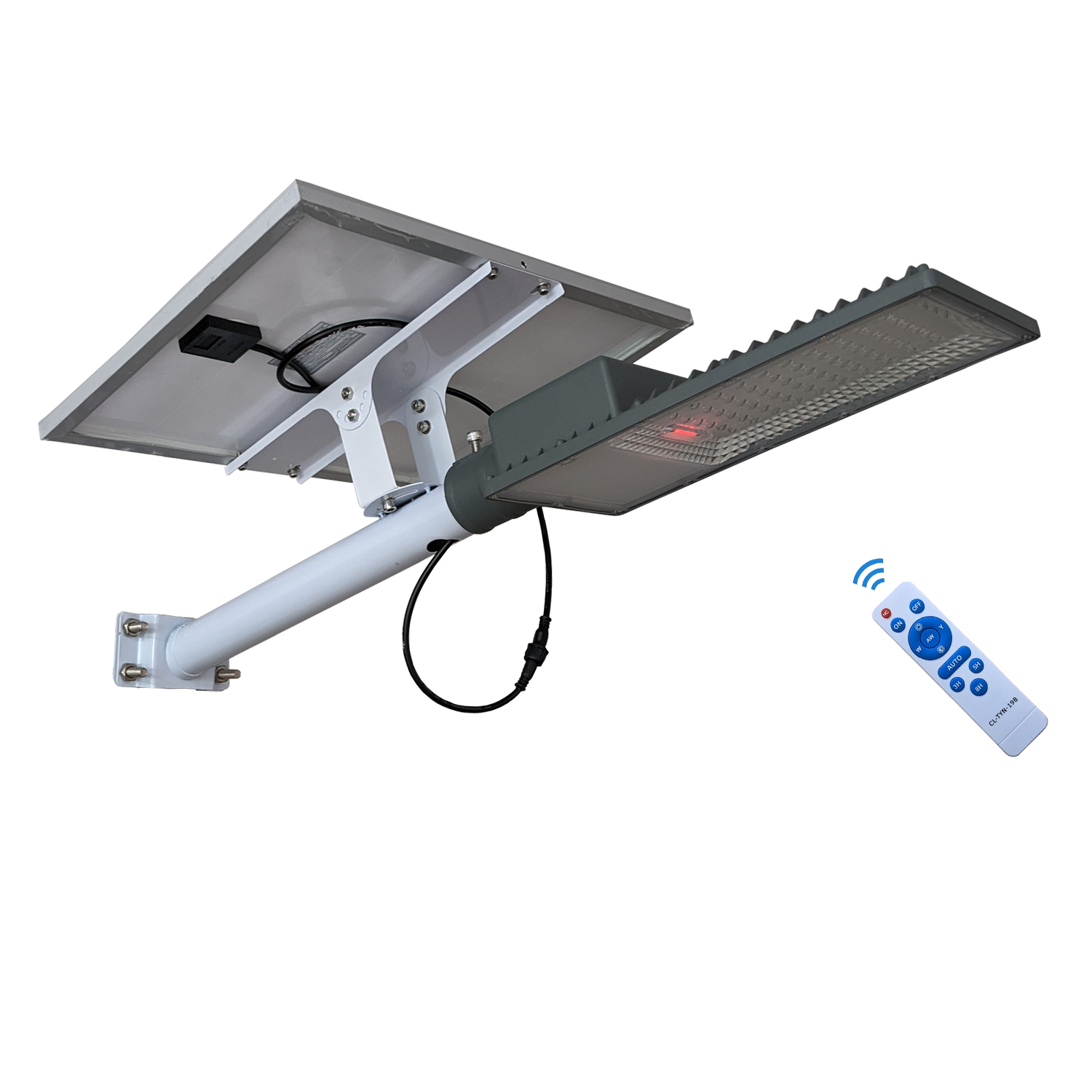
Related reading
Solar Light Stopped Working After the Monsoon? What Failed
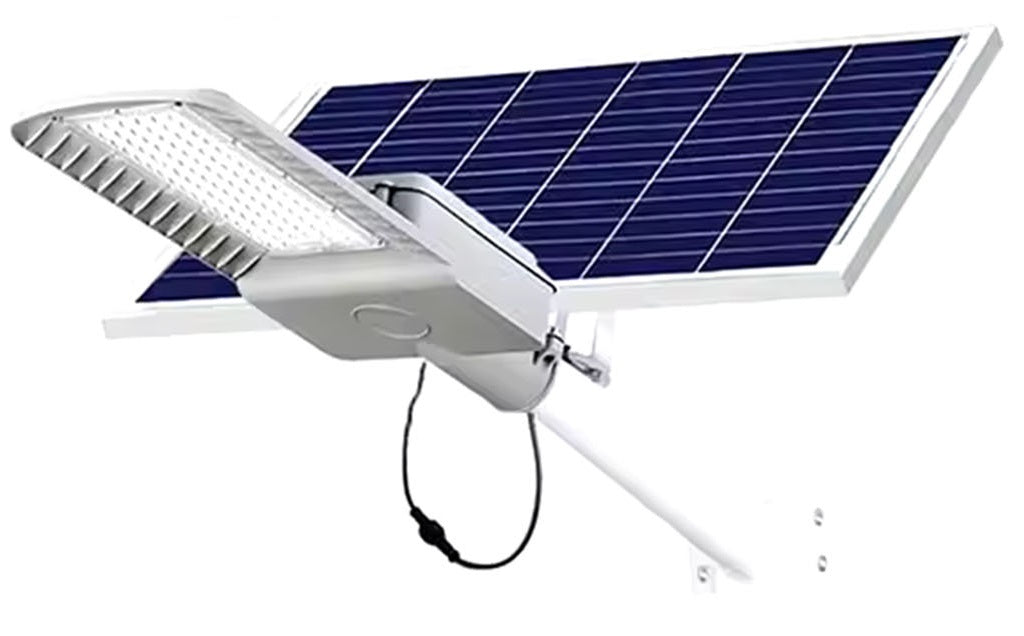
Monsoon rarely breaks a solar light. It exposes fixtures that were already marginal, and the four failure patterns it produces are easy to tell apart ...
Read more
How Many Watts of Solar Street Light Do You Need?
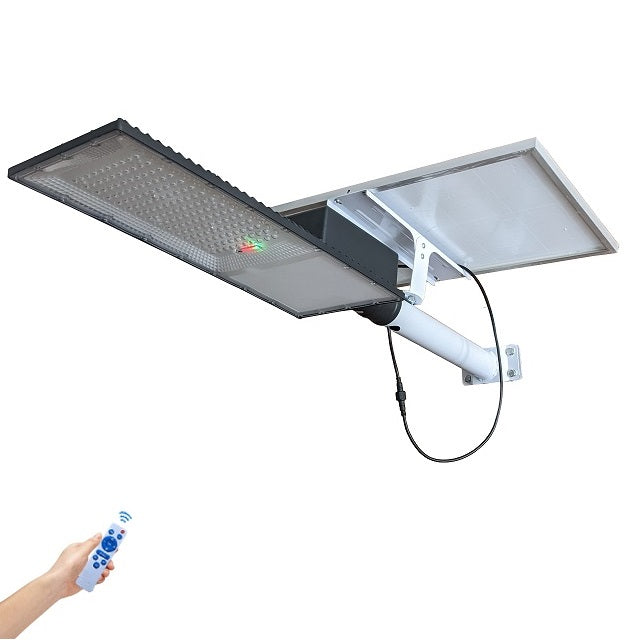
Wattage is the number everyone quotes and the worst one to start from. Mounting height and spacing decide the answer, and getting those wrong is behin...
Read more
LiFePO4 vs Lithium-Ion in Solar Street Lights: Which and Why
LiFePO4 and lithium-ion get used as if one were simply the better version of the other. They are different chemistries with different jobs, and the ri...
Read more