
Solar Panel
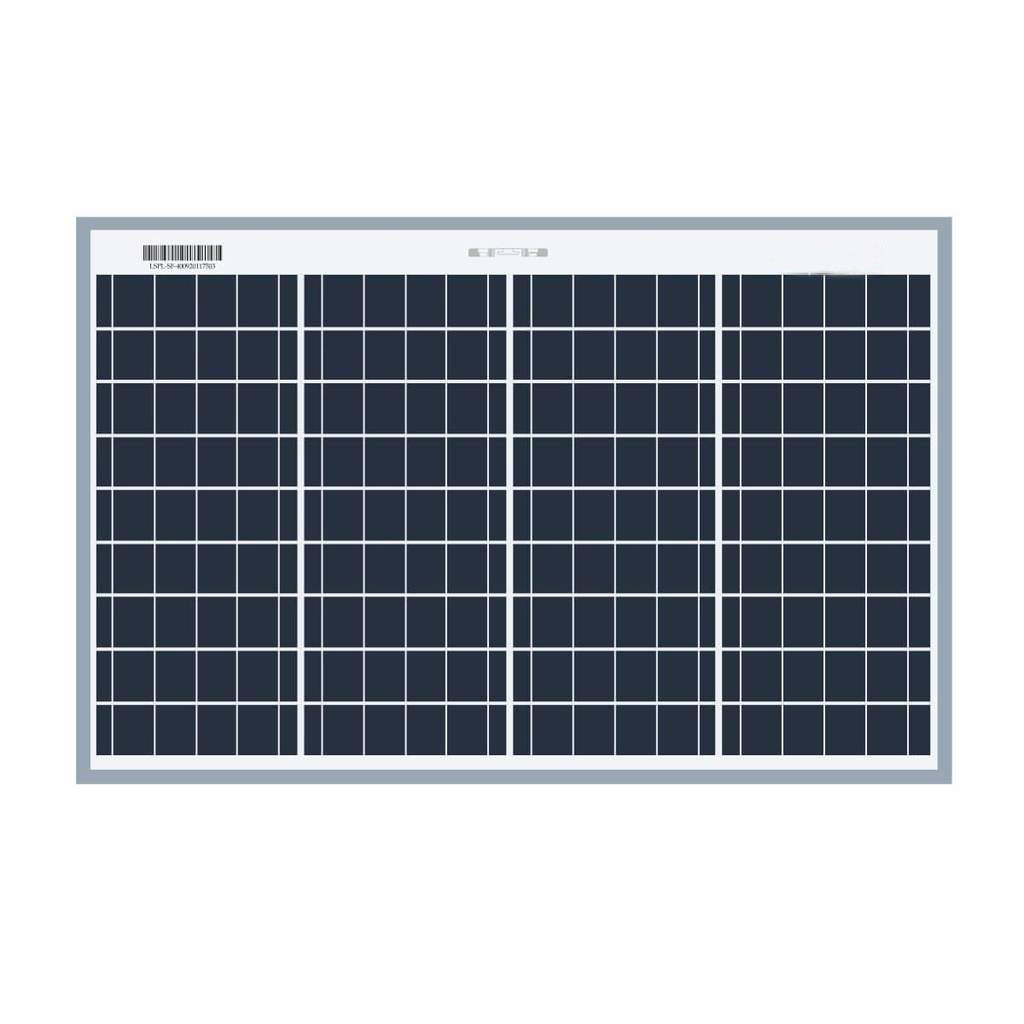
solar panel 50 watt 12 volt

Solar Panel 30 watt - 12 volt

solar panel 60 watt 12 volt

solar panel 100 watt 12 volt
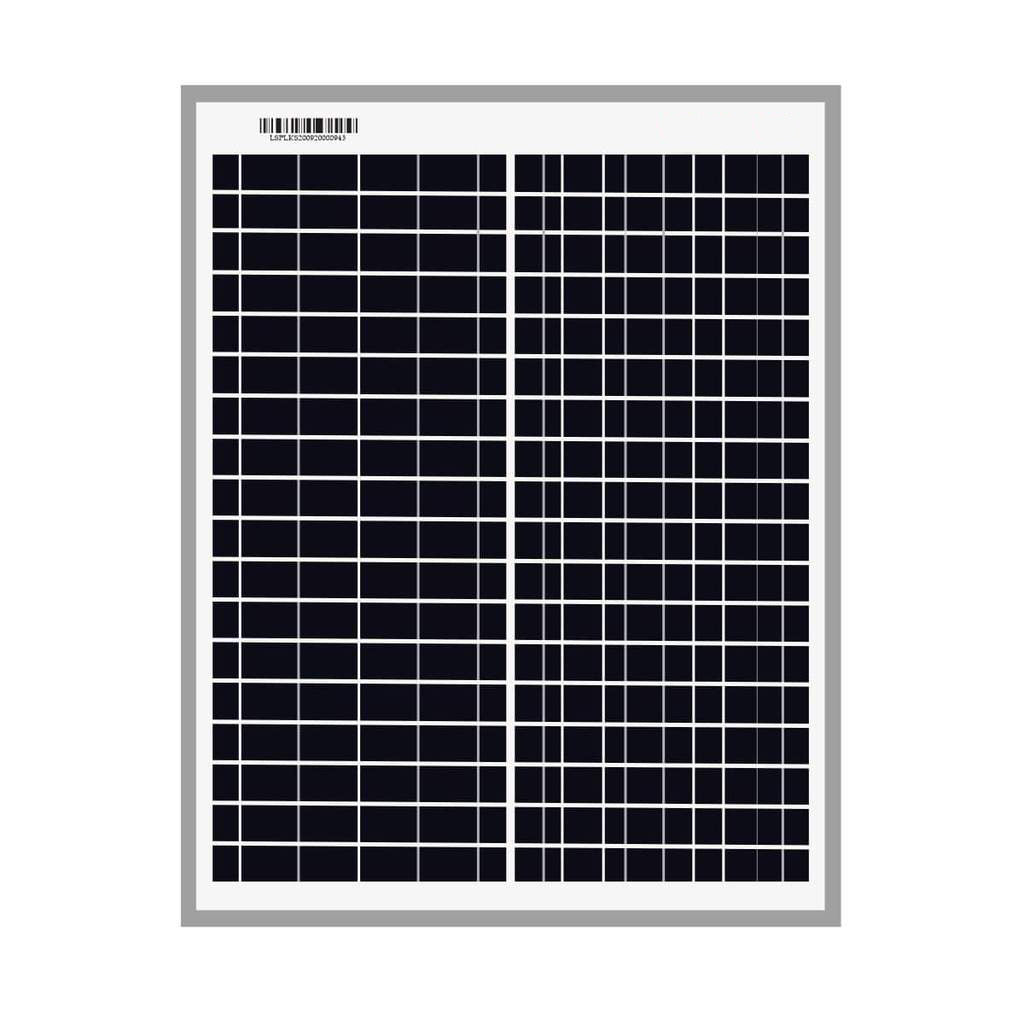 11% off
Solar Panel 20 watt - 12 volt
Save ₹200
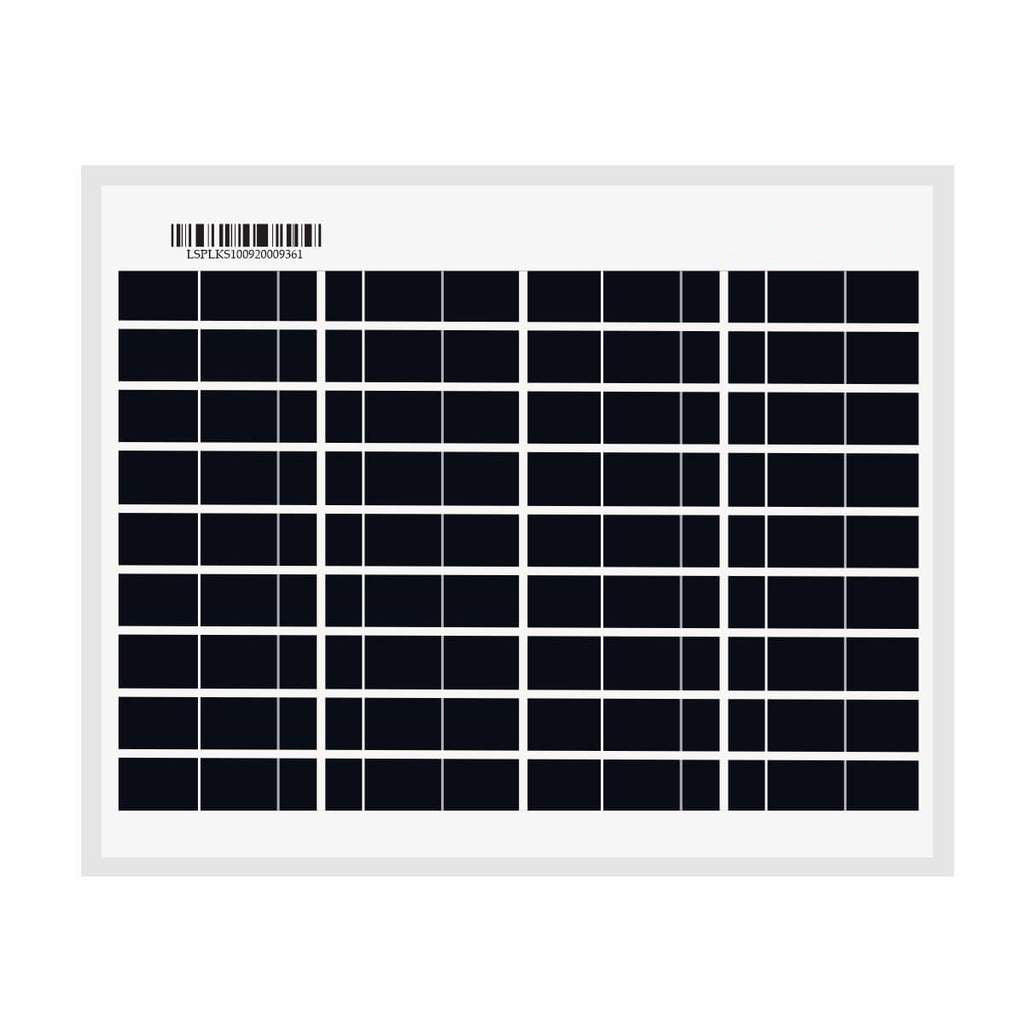 23% off
Solar Panel 10 watt - 12 volt
Save ₹299
solar panel 150 watt 12 volt

solar panel 80 watt 12 volt
 56% off
solar panel 40 watt 12 volt
Save ₹2,800
About Solar Panel
These are 12V polycrystalline solar panels from 10W to 150W, used to charge 12V batteries and to power or replace the panel on a solar lighting installation. They are supplied as standalone panels, either as replacements for an existing fixture or as part of a system being built up from components.
Shinesun supplies solar panels from Bangalore across India. Smaller panels are priced from around Rs 1,000; larger panels in this range are quoted against quantity.
How to size a solar panel
The panel-to-load ratio
For a solar lighting installation, the panel should be rated at roughly two to three times the LED wattage. A 40W LED fixture needs an 80 to 120W panel. This is not overspecification — it is what keeps the battery topped up through cloud, dust accumulation and the shorter days of winter. A panel matched one-to-one with the load works in clear March sunshine and fails in July.
| Panel | Suits LED fixture | Typical use |
|---|---|---|
| 10–20 W | 3–8 W | Garden and gate lights, small battery charging |
| 30–40 W | 10–15 W | Compact street and pathway fixtures |
| 50–60 W | 20–25 W | Street lights on residential lanes |
| 80–100 W | 30–50 W | Street lights on society and approach roads |
| 150 W | 50 W and above | High-output fixtures and multi-fixture systems |
What 12V actually means
A panel described as 12V produces a higher open-circuit voltage than 12V — typically around 18 to 22V — because it needs headroom above the battery voltage to push charge in. The 12V label describes the battery system it is intended for, not its output. Connecting a 12V panel directly to a 12V battery without a charge controller will overcharge and damage the battery.
Polycrystalline against monocrystalline
These panels are polycrystalline. Monocrystalline is more efficient per square metre and performs slightly better in weak light, which matters when roof or pole-top space is limited. Where space is not the constraint — a ground mount, a pole with room, a replacement for an existing panel of the same size — polycrystalline does the same job for less. Choose on available area first, technology second.
Solar panel price in India (2026)
Smaller panels in this range start at around Rs 1,000 for 10W and Rs 2,200 for 40W. Larger panels from 50W to 150W are quoted against quantity and specification, because at that size shipping and mounting hardware make up a meaningful part of delivered cost and both depend on the site.
Mounting and orientation
- Face south. In India, a south-facing panel collects the most over a year.
- Tilt roughly to your latitude. Around 13 degrees in Bangalore, more further north. A flat panel collects less and, more importantly, does not shed dust when it rains.
- Keep it clear of shade all day. Partial shade on one part of a panel reduces output disproportionately, not proportionally.
- Leave an air gap behind it. Panels lose efficiency as they heat, and a panel flat against a surface runs hotter.
- Clean every two to three months. Dust is the largest single cause of lost output in India, ahead of cloud.
Solar panels for street lights
If you are replacing the panel on an existing solar street light, match or exceed the original wattage rather than matching the fixture wattage. A 40 W fixture may well have shipped with a 15 W panel, and if that fixture has been fading through the monsoon, an undersized panel is a likely cause — fitting the same size again reproduces the problem.
The rule to size by is two to three times the LED wattage. A 20 W fixture wants 40 to 60 W of panel; a 50 W fixture wants 100 to 150 W. The surplus is not waste: it is what recovers the battery through cloud, dust and the shorter days of winter.
Check the controller can accept the larger panel before fitting one. Most can; a few older PWM controllers cannot, and that is worth confirming rather than discovering.
What determines solar panel price
Three things, in order of weight.
- Wattage. The dominant factor, and roughly linear across this range.
- Cell technology. These panels are polycrystalline. Monocrystalline costs more per watt and delivers more watts per square metre, which matters only when area is the constraint — a pole top, a small roof. On a ground mount or a bracket with room, polycrystalline does the same job for less.
- Delivered cost. Larger panels are bulky and fragile, so shipping and mounting hardware form a meaningful share of the total above about 50 W. This is why the larger panels here are quoted against quantity and destination rather than listed.
What should not vary much is output per watt within the same technology. If one 100 W panel is dramatically cheaper than another, look at the warranty term and the tolerance rating before concluding you have found a bargain.
Getting the most from a panel once it is fitted
- Face south, tilted roughly to your latitude — about 13 degrees in Bangalore, more further north. A flat panel collects less and does not shed dust when it rains.
- Keep it clear of shade all day. Partial shade on one part of a panel reduces output disproportionately, not proportionally. A single overhanging branch matters more than it looks.
- Leave an air gap behind it. Panels lose efficiency as they heat, and one mounted flat to a surface runs hotter.
- Clean every two to three months. Dust is the largest cause of lost output in India, ahead of weather.
- Keep the cable run short. Voltage drop over a long thin cable costs charging current, and it is a common avoidable loss on pole installations.
Related collections
- Solar street lights — complete fixtures with panel, battery and LED.
- Integrated solar street lights — split-panel fixtures with MPPT controllers.
Frequently asked questions
What size solar panel do I need for a street light?
Two to three times the LED wattage. A 20W fixture wants a 40 to 60W panel; a 50W fixture wants 100 to 150W. Sizing tighter than this produces a light that works in the dry season and disappoints in the monsoon.
Can I connect a 12V solar panel directly to a battery?
No. A charge controller is required. A 12V panel produces around 18 to 22V in the open circuit, and connecting it directly will overcharge the battery and shorten its life considerably.
How long does a solar panel last?
Panels commonly carry 25-year output ratings and outlive every other component in a solar lighting system. The battery is what you should expect to replace, typically at year 8 to 10 for LiFePO4.
Do these panels work on cloudy days?
Yes, at roughly 20 to 40 per cent of rated output under heavy cloud. This is exactly why the panel is sized above the load — the surplus in good weather is what carries the system through the bad.
Need help sizing a system?
Tell us the fixture wattage, the battery capacity and where the installation is, and we will confirm the panel size before you order.