
Solar Lights
The full Shinesun solar lighting range — street, garden, gate, pathway, wall, flood and emergency fixtures, manufactured in Bangalore and supplied across India.
 11% off
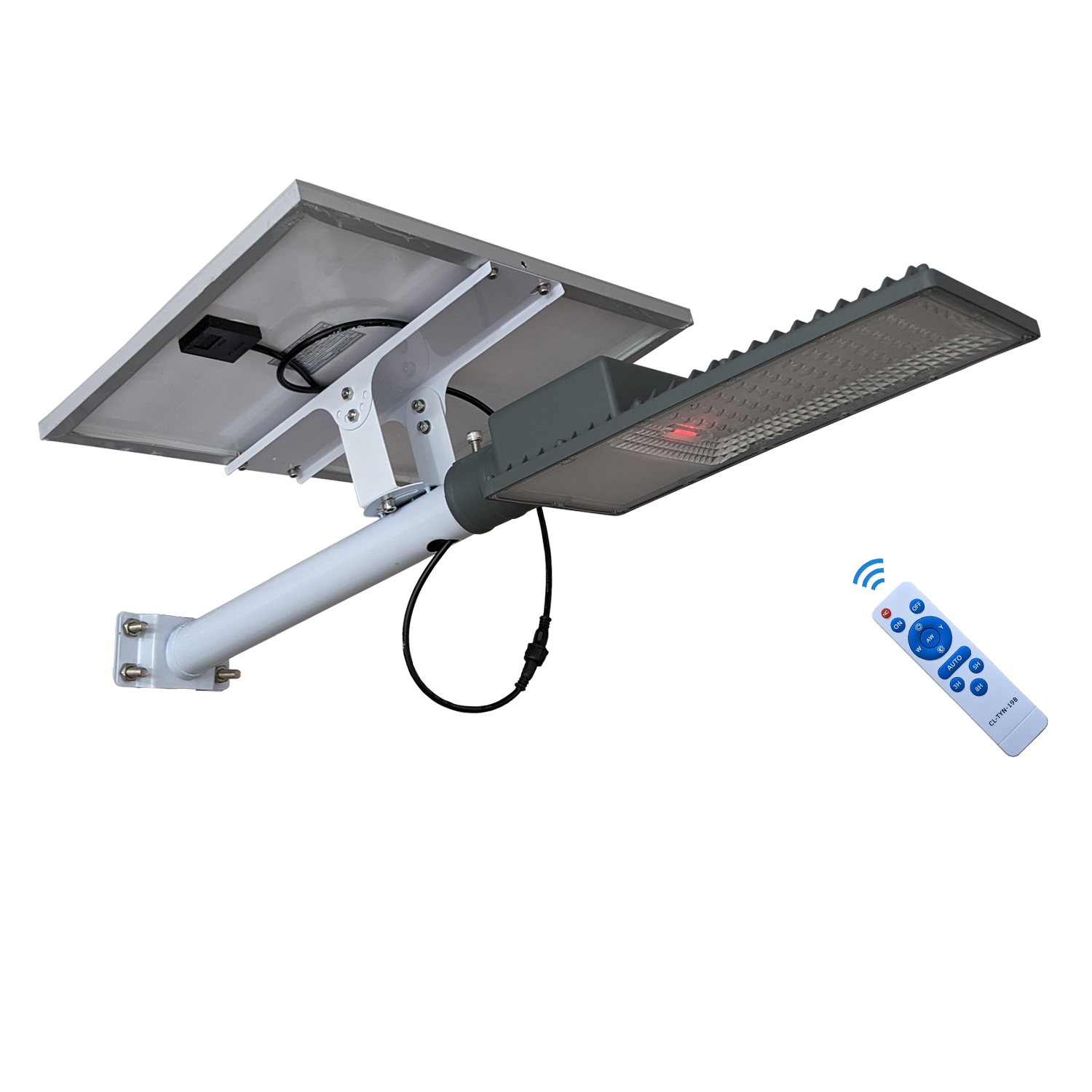
Solar Bat Street Light 75 Watt - TTBAT75W
Save ₹1,250
 14% off
Solar Bat Street Light 40 Watt - TTBAT40W
Save ₹1,250
 22% off
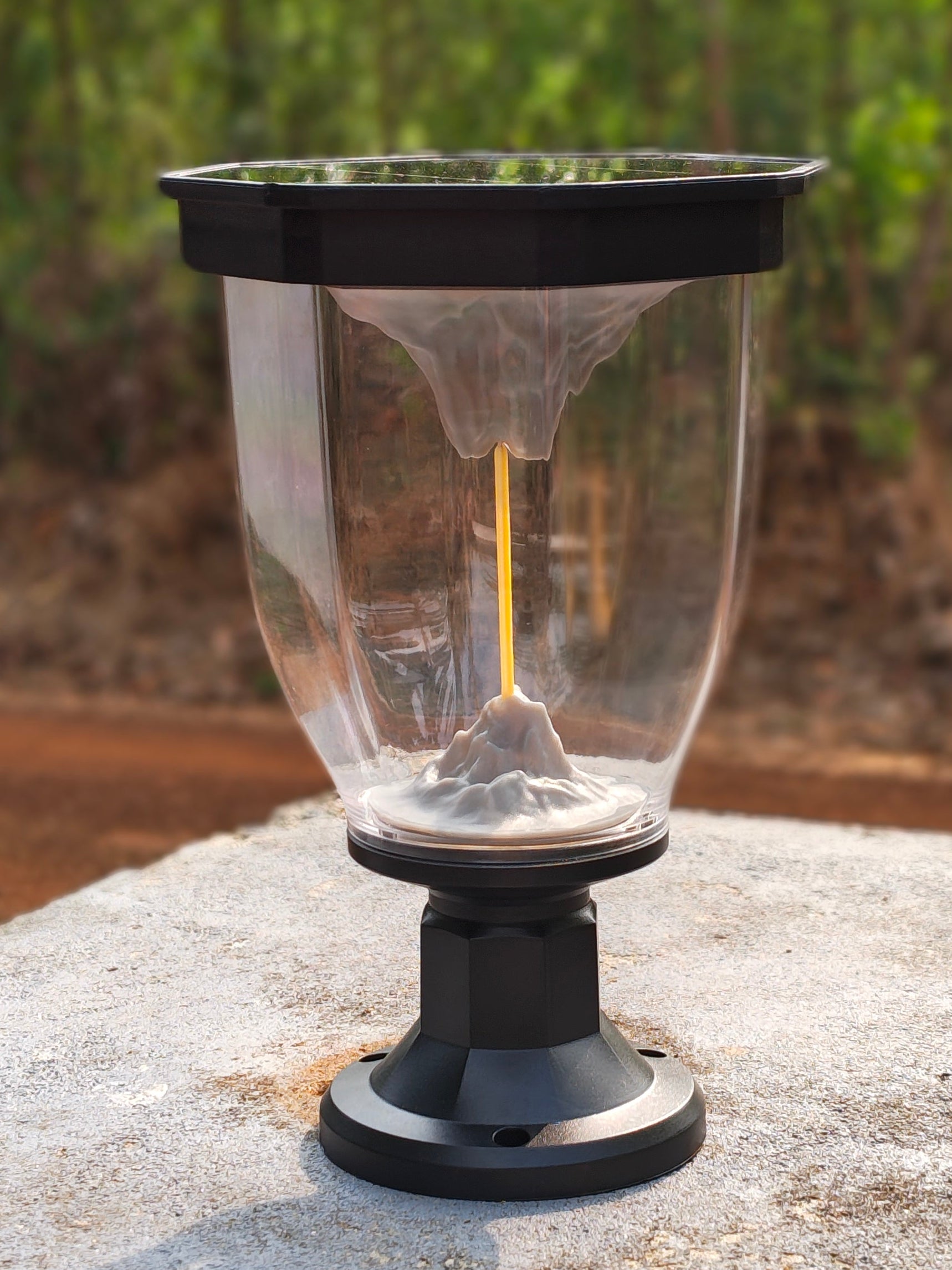
Volcano Series Solar Gate Pillar Light (Warm White, IP65 Waterproof)
Save ₹700
 29% off
Solar Edison Garden Light - TTSEMGL2W (Pack of 2)
Save ₹750
 29% off
Solar Post Light Warm White/Cool White - TTSGL2WCW
Save ₹1,000
 9% off
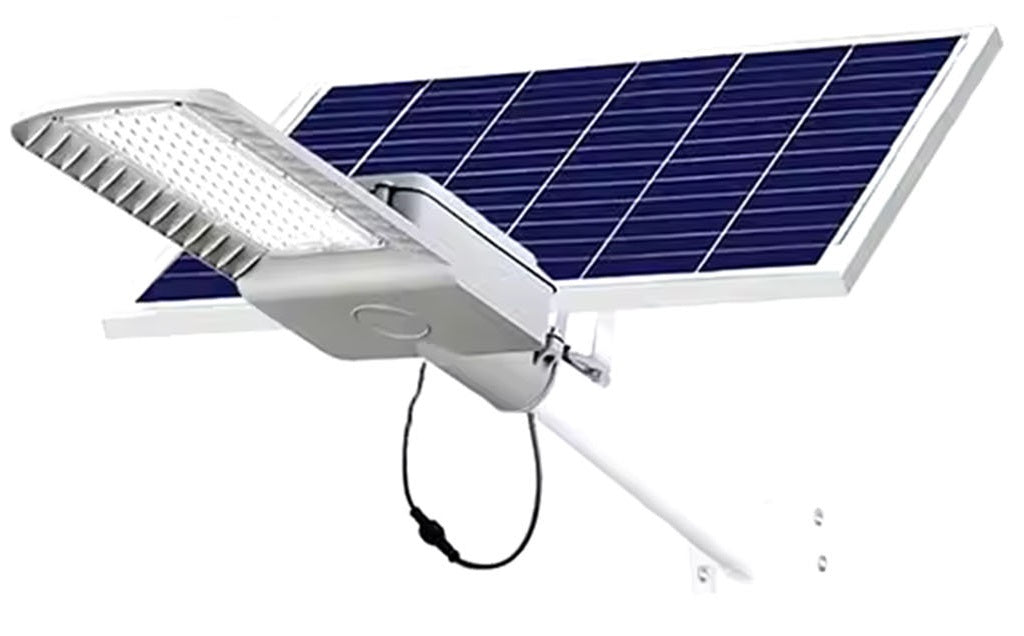
Solar Bat Street Light 150 Watt - TTBAT150W
Save ₹1,700
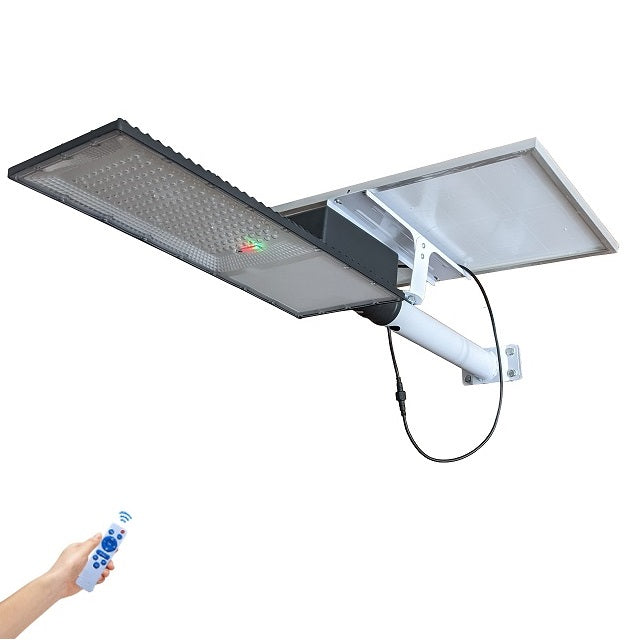 20% off
Solar Bat Street Light 90 Watt - TTBAT90W
Save ₹3,000
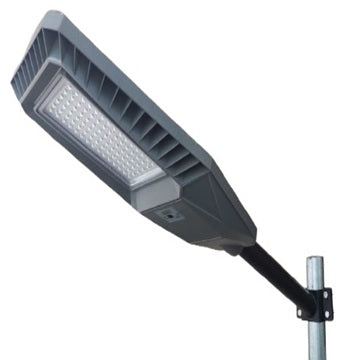 33% off
Solar Owl Street Light 100 Watt - TTOWL100W
Save ₹2,500

Solar Flood Light Outdoor 100 Watt LED 2300 Lumens 6000K with Remote
Save ₹500

Solar European Prime Pathway Light- TTSEPPL2W (Pack of 2)
 31% off
Solar Moonlit Pathway Garden Light- TSMPL2W (Pack of 2)
Save ₹811
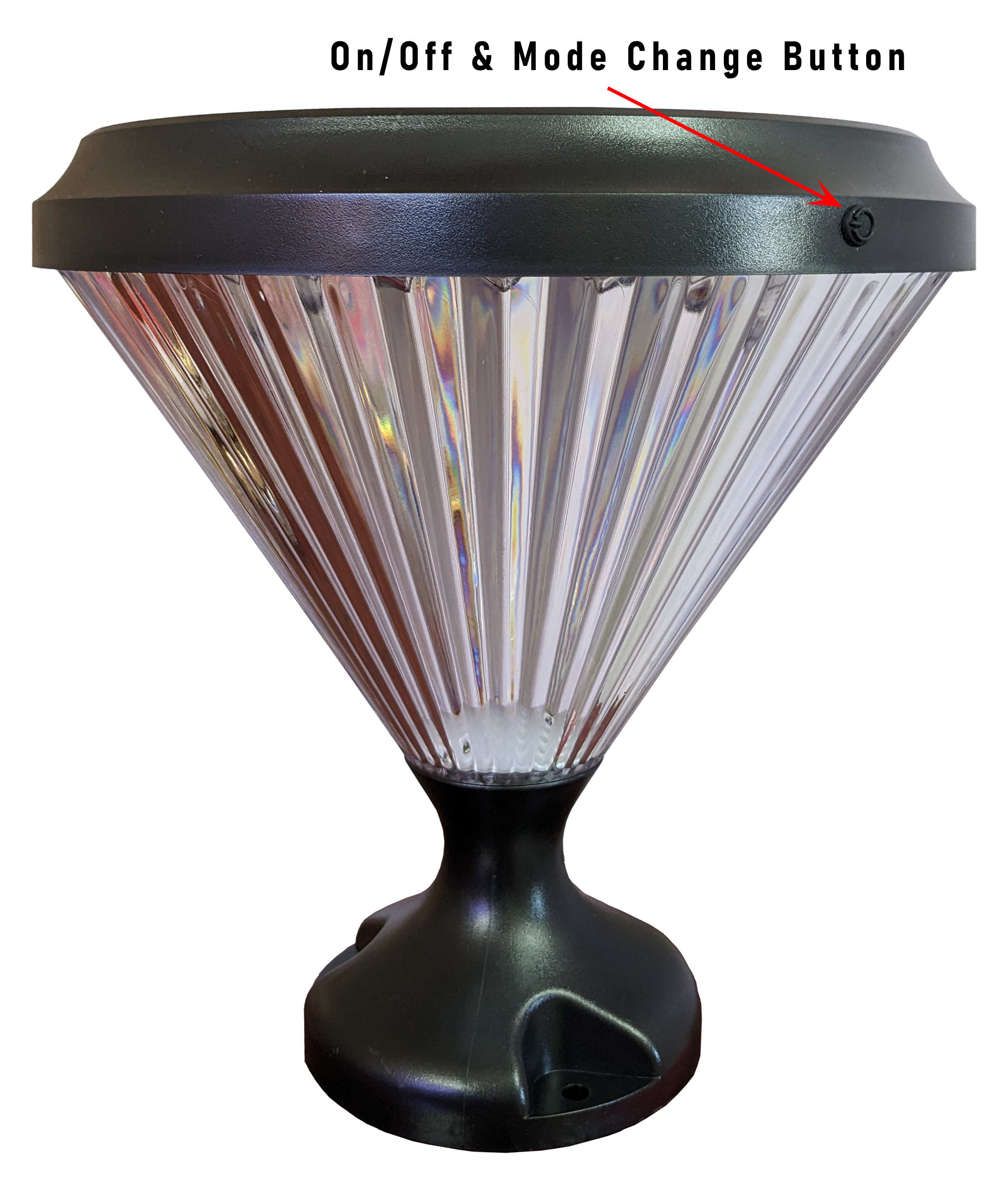 25% off
Solar Opal Pillar Light 18 Watt Warm White - TSOPL18W
Save ₹1,500
About Solar Lights
This is the complete Shinesun solar lighting range in one place: every fixture we manufacture, from a 1 W pathway marker to a 150 W street light. All of it is off-grid. Each fixture carries its own panel, battery and controller, switches itself on at dusk, and keeps working through a power cut — because it was never connected to the grid in the first place.
If you already know the position you need to light, the fastest route is the category that matches it. If you do not, the section below works through it position by position.
The range by application
- Solar street lights — pole-mounted fixtures for roads, driveways, parking areas and internal estate roads. Includes the all-in-one and integrated ranges.
- Solar gate and pillar lights — entrance fixtures for gate posts, boundary columns and compound walls.
- Solar wall lights — motion-sensor fixtures for doorways, side passages and back gates.
- Solar garden and pathway lights — low-output decorative and edge-marking fixtures for planting, seating areas and paths.
- Solar flood lights — wide-beam fixtures for yards, façades, signage and work areas.
- Emergency and home lights — portable and indoor fixtures for power cuts.
- Solar panels — bare 12 V panels from 10 W to 150 W, sold separately from the fixtures.
Choosing by position, not by price
Almost every complaint about outdoor solar lighting traces back to the same thing: the fixture was chosen on price and appearance, then put wherever it was needed. Solar fixtures are far less forgiving of that than mains ones, because each carries its own panel and battery and is therefore sized for one job. A fixture doing the wrong job cannot borrow capacity from anywhere.
Gate pillars and boundary columns
Decide first whether you want the entrance marked or lit. An accent pillar light on a 2 W panel makes the gate visible and finished. Lighting the approach — so a vehicle can turn in, or a face is recognisable at the gate — needs a substantially larger fixture. Buy in pairs, one per pillar, or a single fixture throws shadow across the opening.
Doorways, side passages and back gates
These are motion-sensor positions. Nobody stands in a side passage for an hour, and lighting one continuously wastes a battery on an empty corridor. A wall light producing 400 to 500 lumens at 2 to 2.5 m covers a doorway and the step in front of it, or two to three metres of passage.
Paths and garden edges
Path lighting is about marking an edge so the eye can follow it, not about brightness. This is the one position where more output actively makes things worse: a bright fixture at knee height glares and destroys the night vision you need for the rest of the walk. Even spacing matters more than specification.
Driveways, parking and internal roads
This is where people most often try to stretch a wall or garden fixture, and where it always fails. These need a pole-mounted street light, even on a domestic property. As a working rule: mounting height of about 5 m for most of the range, and pole spacing of roughly three times the mounting height, pole to pole, capped at around 15 m.
What the fixtures have in common
- No wiring, no trenching, no meter. Nothing connects to the mains, so there is no cable run, no DISCOM coordination and no electrician. On a boundary wall or an outbuilding, running the cable would often be the entire cost of the job.
- Automatic dusk-to-dawn operation. Fixtures switch themselves on and off; motion-sensor models sit dim or off until movement is detected.
- Immunity to power cuts, which for most Indian properties is the real argument.
- LiFePO4 batteries across the Bat street light series, rated for 8 to 12 years of service. Compact accent fixtures such as the Volcano gate light use lithium-ion, which is a fit-for-use decision rather than a corner cut: a small gate light draws a fraction of the current and sits in a shallower duty cycle.
- Outdoor-rated housings. IP65 — dust-tight and protected against water jets — is the practical minimum for anything mounted in the open in India, not a premium feature.
What solar lighting will not do
Three honest limits, because the category is oversold:
- It will not match a mains floodlight for raw output at low cost. Solar output is bounded by panel area and battery capacity.
- It will not rescue a shaded position. A larger battery extends runtime; it does not create charge. Before ordering, walk the property around midday and note which of your intended positions are actually in direct sun. North-facing walls, pillar tops under trees and passages between buildings underperform all year.
- A compact fixture will not run at full brightness all night. Motion sensing and dimming are how small fixtures reach dawn. Any product claiming full output for twelve hours on a small panel is describing something that does not happen.
Buying from a manufacturer
We manufacture and supply the fixtures; we do not install them. Everything here is quoted rather than carted, which means you can send us the dimensions of a site and get a straight answer about what it needs — including when the answer is a fixture we do not make. Warranty runs between one and three years depending on the range.
If you are not sure where to start, the guides on choosing outdoor lighting for an Indian home, gate and pillar lights and what 400 to 500 lumens actually covers go through the decisions in more detail.
Solar light questions
Do solar lights need any wiring or an electricity connection?
No. Every fixture in this range carries its own panel, battery and controller, so nothing connects to the mains. There is no cable run, no trenching, no meter, no DISCOM coordination and no electrician. On a boundary wall or an outbuilding, running that cable is often the entire cost of the job — which is the real economic argument for solar, ahead of the electricity saving.
Do solar lights work in the monsoon or without direct sun?
They work in diffuse daylight, so an overcast day is a reduced charge rather than no charge. What they cannot survive is a genuinely shaded position — a north-facing wall, a pillar top under a tree, a passage between two buildings. A larger battery extends runtime; it does not create charge. Walk the property around midday before ordering and note which positions are actually in sun. Most monsoon "failures" are shaded positions that were marginal in summer.
How long do solar lights last?
The battery decides it. Our street lights use LiFePO4, rated for 8 to 12 years of service, and the LED and housing typically outlast that. Compact accent fixtures such as gate lights use lithium-ion, which is a fit-for-use choice at that size and duty cycle rather than a cheaper substitute. A fixture built on lead-acid needs its battery replaced in 3 to 4 years, which is the hidden cost inside a lower quote.
Which solar light do I need — gate, wall, path or driveway?
Position decides the fixture, and getting that wrong is behind almost every disappointing installation. Gate pillars and boundary columns want a gate or pillar light, in pairs so neither throws shadow across the opening. Doorways, side passages and back gates want a motion-sensor wall light at 2 to 2.5 m. Paths want low output evenly spaced, because a bright fixture at knee height glares and ruins your night vision. Driveways, parking and any open ground want a pole-mounted street light — this is the position people most often try to stretch a wall or garden fixture into, and it always fails.
How much do solar lights cost in India?
Across our range, from a few hundred rupees for a pathway marker to ₹14,499 for a 150 W street light. Price tracks battery capacity and panel size far more closely than it tracks LED wattage, which is why two fixtures quoting the same watts can differ substantially. Everything here is quoted rather than carted, so send us the site and we will price it.
What IP rating should an outdoor solar light have?
IP65 as a minimum — dust-tight and protected against water jets from any direction. For anything mounted in the open in India that is the floor rather than a premium feature: it takes monsoon rain with no overhang above it, road dust year round, and on a boundary wall the spray thrown up by passing vehicles. Be suspicious of any fixture that does not state a rating at all. It is a cheap test to publish and an expensive one to fail.
Do you install the lights?
No. We manufacture and supply the fixtures from Bangalore. Most fixtures need two fixings and no wiring, so sites generally use their own electrician or maintenance team; where a site needs one, we can point you to a dealer in your area.
What warranty do the fixtures carry?
Two years as standard across the range, covering functional defects. Physical damage and tampering are excluded, and shipping is not covered under warranty. The exact term is confirmed on every quote.