
Solar Garden Lights
 29% off
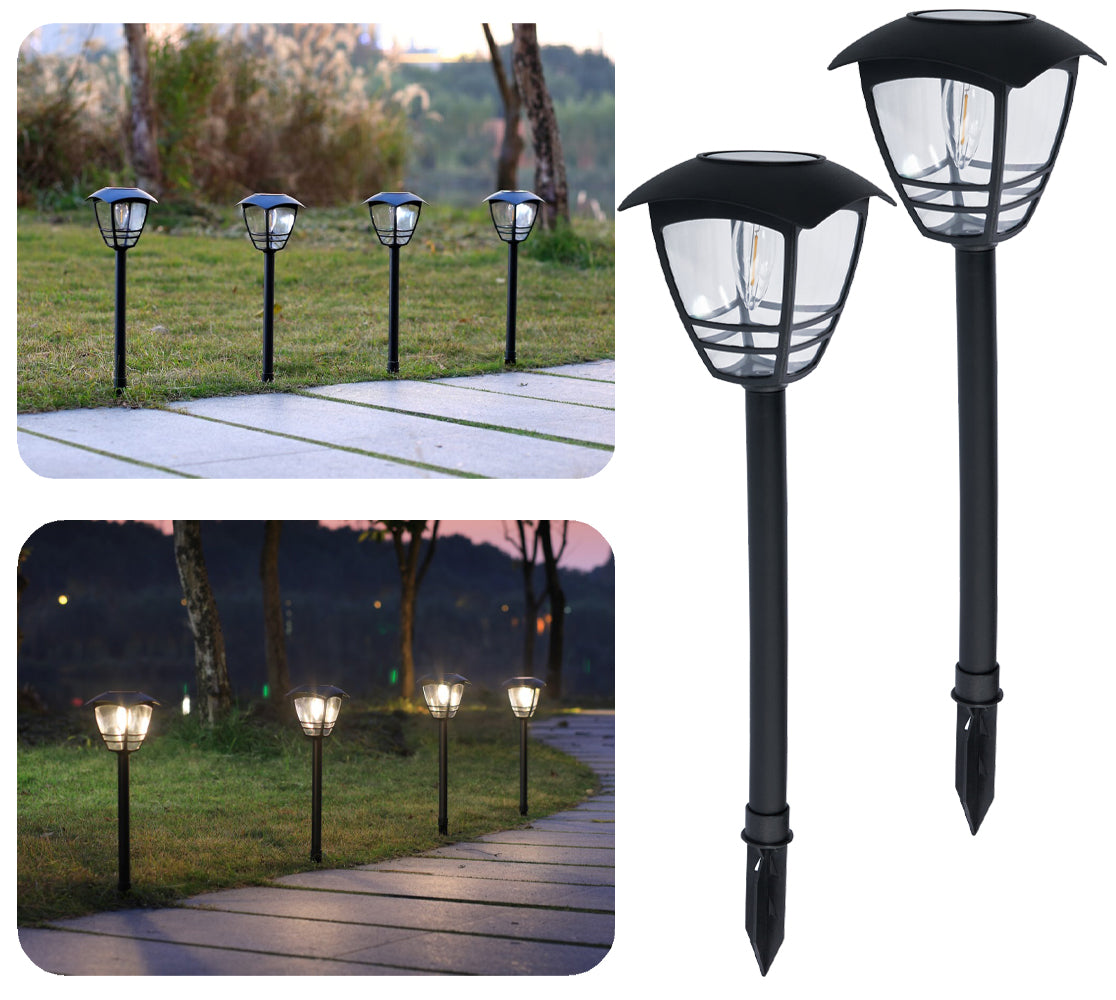
Solar Edison Garden Light - TTSEMGL2W (Pack of 2)
Save ₹750
 29% off
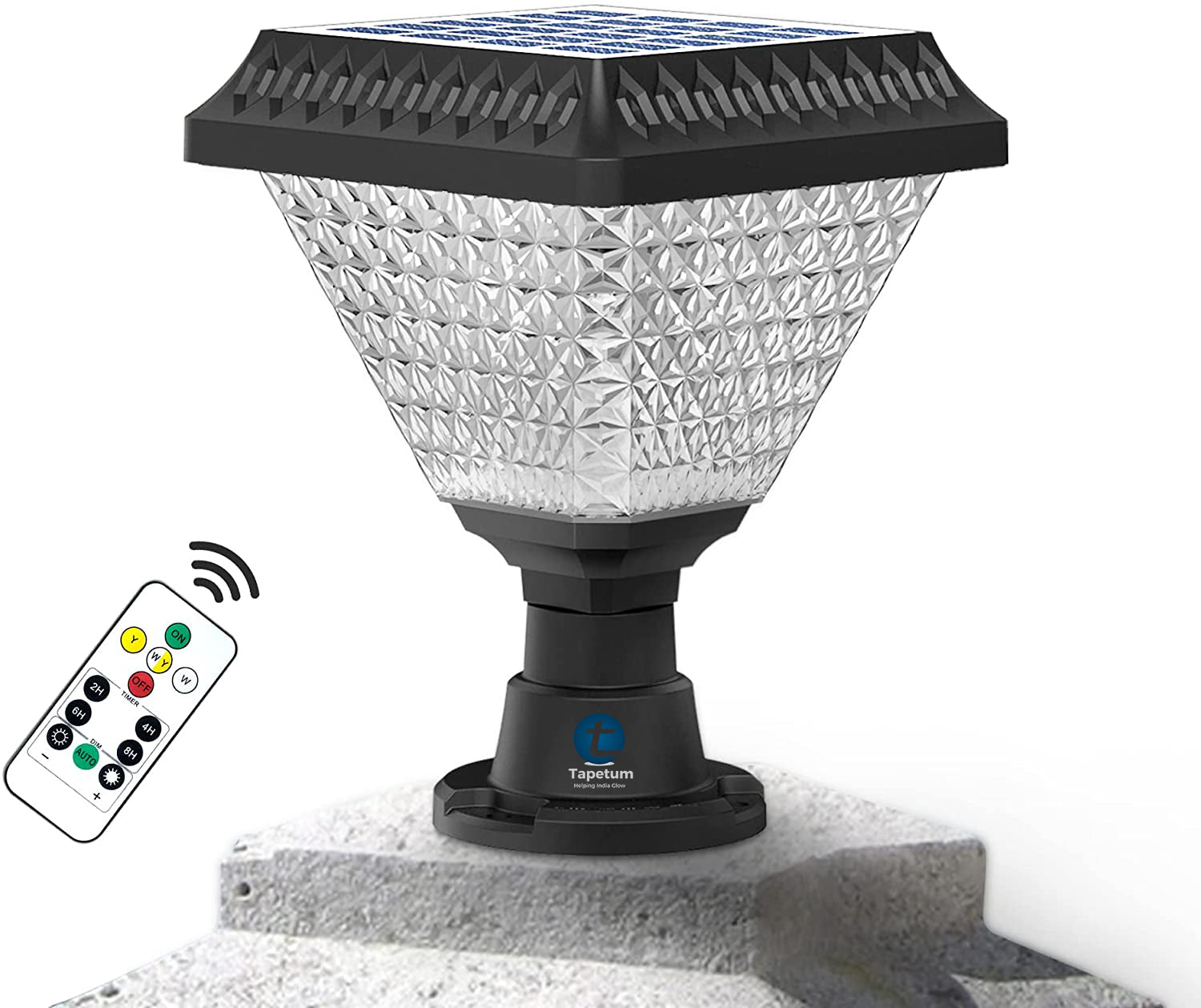
Solar Post Light Warm White/Cool White - TTSGL2WCW
Save ₹1,000
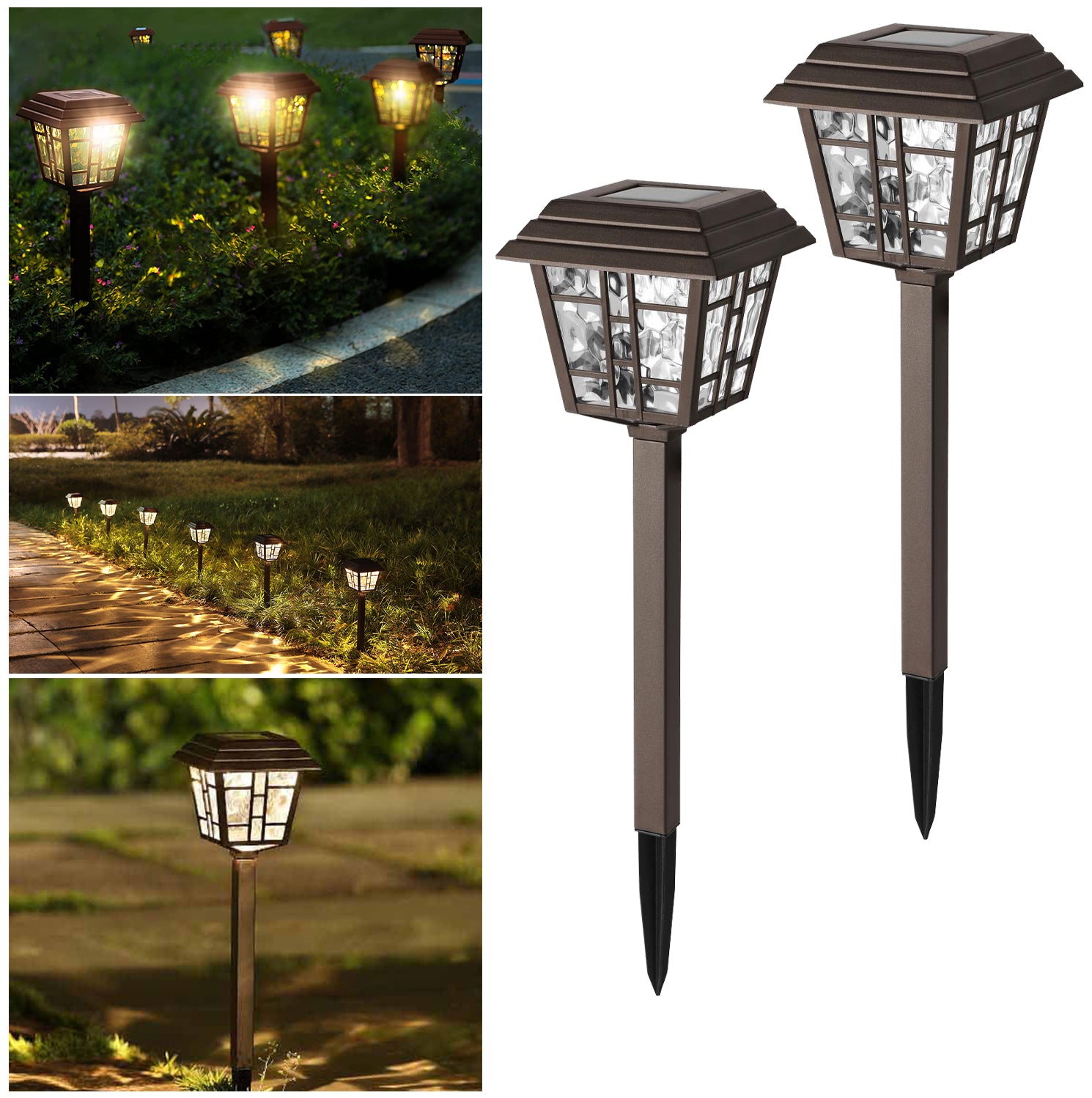
Solar European Prime Pathway Light- TTSEPPL2W (Pack of 2)
 31% off
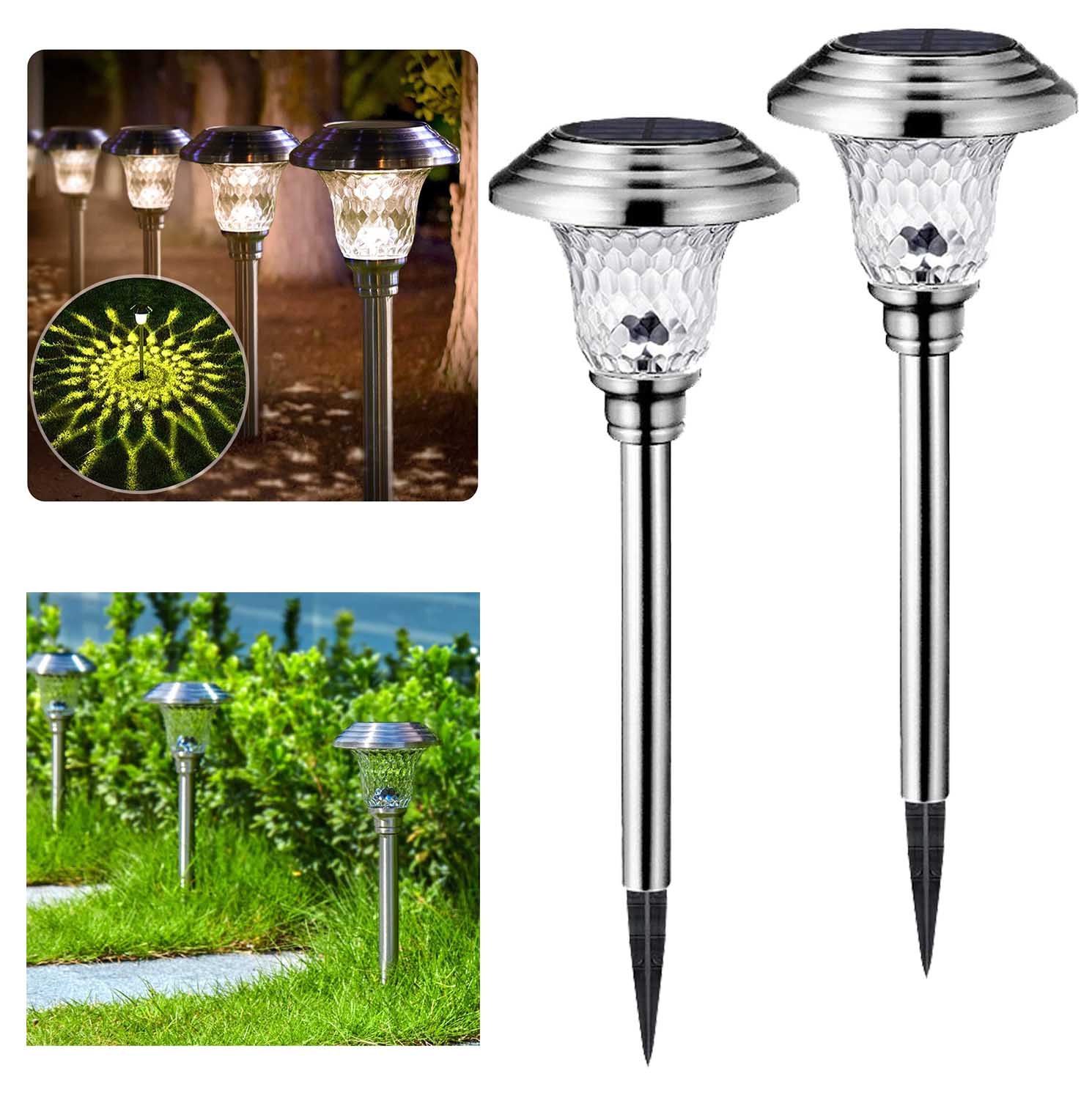
Solar Moonlit Pathway Garden Light- TSMPL2W (Pack of 2)
Save ₹811
About Solar Garden Lights
Solar garden lights cover a wider range of jobs than the name suggests: marking the edge of a path, lighting a doorway, picking out planting, or simply making a driveway safe to walk after dark. What they have in common is that they charge themselves and switch on at dusk without wiring, which is why they get installed in places a cable would never justify.
This range runs from stake-mounted pathway lights supplied in packs from around Rs 1,439, up to post and gate fixtures at Rs 7,500 and a thirty-piece pathway pack at Rs 8,400. Shinesun manufactures and supplies solar garden lighting from Bangalore across India.
Choosing the right type
Solar pathway lights
Stake-mounted, supplied in packs of two or more, pushed into soft ground along a path or border. These are markers rather than area lights: their job is to show you where the path edge is, not to light the garden. Space them 1.5 to 2 m apart along a walkway. Further apart and the path reads as a row of dots with dark gaps between.
Post and pillar lights
Mounted on a gate post, boundary pillar or short column. Brighter than a pathway marker and aimed at a specific spot — an entrance, a step, a gate latch. Our post fixtures run from about 240 lumens on a LiFePO4 battery.
Decorative and accent lights
Pendant, vintage, Edison and flame-effect fixtures, hung from a pergola, tree or balcony. These are chosen for how they look when lit rather than for how much they light. Output is deliberately low — 20 to 110 lumens — because their job is atmosphere.
Gate and garden combination fixtures
Higher-output fixtures that work as either. Our 5W gate and garden light produces around 1,050 lumens on a 20Ah LiFePO4 battery, which is enough to genuinely light an entrance rather than mark it.
How many do you need, and how far apart
| Location | Fixture type | Spacing |
|---|---|---|
| Walkway or path edge | Stake pathway light | 1.5–2 m |
| Driveway edge | Stake or post light | 2–3 m |
| Planting bed or border | Accent or spike light | Grouped, not evenly spaced |
| Entrance or gate | Post or pillar light | One each side |
| Pergola or seating | Pendant or decorative | By eye |
A common mistake is buying one pack and spreading it thin across the whole garden. Lighting one route properly looks considerably better than dotting single lights everywhere, and it is the difference between a garden that reads as designed and one that reads as decorated.
Battery and what to expect after two years
This is where cheap garden lights fail. Decorative fixtures often use a small lithium-ion cell, which is acceptable for low-output accent lighting but degrades faster than LiFePO4 in Indian heat. Our higher-output fixtures — the post and gate lights — use LiFePO4 from 2.4Ah to 20Ah, which is the chemistry to insist on for anything you expect to still be working in year five.
For decorative fixtures bought in packs, treat them as a several-year item rather than a decade one, and buy a pack size that lets you replace a run at once rather than mismatching later.
Solar garden light price in India (2026)
- Rs 1,400–2,000 — stake pathway and decorative packs of two. Markers and atmosphere.
- Rs 2,000–3,000 — post lights and fancy pendant fixtures, single units.
- Rs 4,800–8,400 — higher-output gate and garden fixtures on LiFePO4, and bulk pathway packs up to thirty pieces.
Installation
Stake fixtures push into soft ground; water the spot first if the soil is hard rather than forcing the spike, which cracks the housing. Post and pillar fixtures take two screws. In every case the deciding factor is sun: check the position gets direct light through the middle of the day before you commit to it, because a shaded garden light is a garden ornament.
Solar lights for home and outdoor use
Most people arriving at a garden light are solving one of four problems, and the right fixture differs for each.
- A path that is unsafe after dark. Stake path lights at 1.5 to 2 m, or post lights at a step or level change.
- An entrance nobody can find. A gate or pillar light with real output, not a decorative marker.
- A terrace or seating area used in the evening. Hanging or pendant fixtures at low output, several of them, rather than one bright light overhead.
- A dark corner that feels unsafe. This is a security problem rather than a garden one, and a motion sensor wall light or a small flood light answers it better than any decorative fixture.
Solar suits all four for the same reason: there is no cable to run, no switch to wire and no meter to add to. For an outdoor space that was built before anyone thought about lighting it, that is usually the difference between doing the job and not bothering.
What solar garden lights cost, and what the price buys
Prices in this range run from about Rs 1,439 for a pack of two stake lights to Rs 8,400 for a thirty-piece pathway pack, with post and gate fixtures between Rs 2,499 and Rs 7,500.
The price difference is almost entirely battery and output, and the two move together. A Rs 1,500 decorative pack uses a Ni-MH cell of 200 to 900 mAh and produces enough light to mark a path. A Rs 7,500 gate fixture uses a 20 Ah LiFePO4 battery and produces 1,050 lumens, which genuinely lights an entrance. Neither is overpriced for what it is; they are answering different questions.
Where a cheap fixture does disappoint is when it is bought expecting the second job and given the first. If you want to see by the light rather than see where it is, buy on lumens, not on price.
Installation and what it costs
Almost nothing, which is the point. Stake fixtures push into soft ground by hand; post and wall fixtures take two screws. There is no cabling, no trenching, no electrician and no DISCOM involvement, so the installed cost of a solar garden light is the price of the fixture plus ten minutes.
That comparison is worth making explicitly against mains garden lighting, where the fixture is often the cheapest part of the job: trenching a cable to the far end of a garden, and the electrical work at both ends, routinely costs more than every fixture on this page combined.
Cleaning and maintenance
Solar garden lights need two things, and neither is difficult.
Clean the panel every two to three months. Dust is the single largest cause of lost output in India — far ahead of cloud — and a dusty panel on a small fixture loses a disproportionate share of a already-small energy budget. A damp cloth is sufficient; no cleaning products are needed and abrasive pads scratch the panel surface, which permanently reduces output.
Expect to replace batteries eventually. Ni-MH cells in decorative packs give several years; the LiFePO4 batteries in the gate and post fixtures give 8 to 12. A light that has dimmed noticeably but still switches on at dusk usually needs a battery rather than a new fixture.
If a light stops working entirely, check its position before assuming a fault: a fixture that was in full sun when installed may be shaded by a season's growth. That accounts for more failures than the hardware does.
Related collections
- Solar gate lights — pillar and gate-post fixtures.
- Solar wall lights — wall-mounted with motion sensors.
- Solar street lights — for driveways and internal roads needing real output.
Frequently asked questions
How long do solar garden lights last at night?
A fully charged fixture in a sunny position runs through the night. In practice the limit is charge, not capacity: a light in partial shade collects less and switches off early. If a light is dimming by midnight, look at where it sits before blaming the battery.
How far apart should solar pathway lights be spaced?
1.5 to 2 m along a walkway. Wider spacing leaves dark gaps and the path reads as scattered dots rather than a lit route.
Do solar garden lights work in winter?
Yes, with shorter run times. Days are shorter and the sun sits lower, so the panel collects less. Positions that are marginal in summer become unreliable in winter, which is another argument for choosing spots with genuinely open sky.
Can they be left out in the rain?
Yes, these are outdoor fixtures. What shortens their life is standing water around the base of a stake fixture, so avoid hollows where water collects during monsoon.
Need help planning a layout?
Send us a rough sketch of the path or garden with approximate lengths and we will suggest fixture types and quantities, rather than leaving you to guess pack sizes.