
Which Way Should a Solar Panel Face in India?
Shinesun's editorial team writes about solar lighting based on our manufacturing, installation, and field-service experience across India.
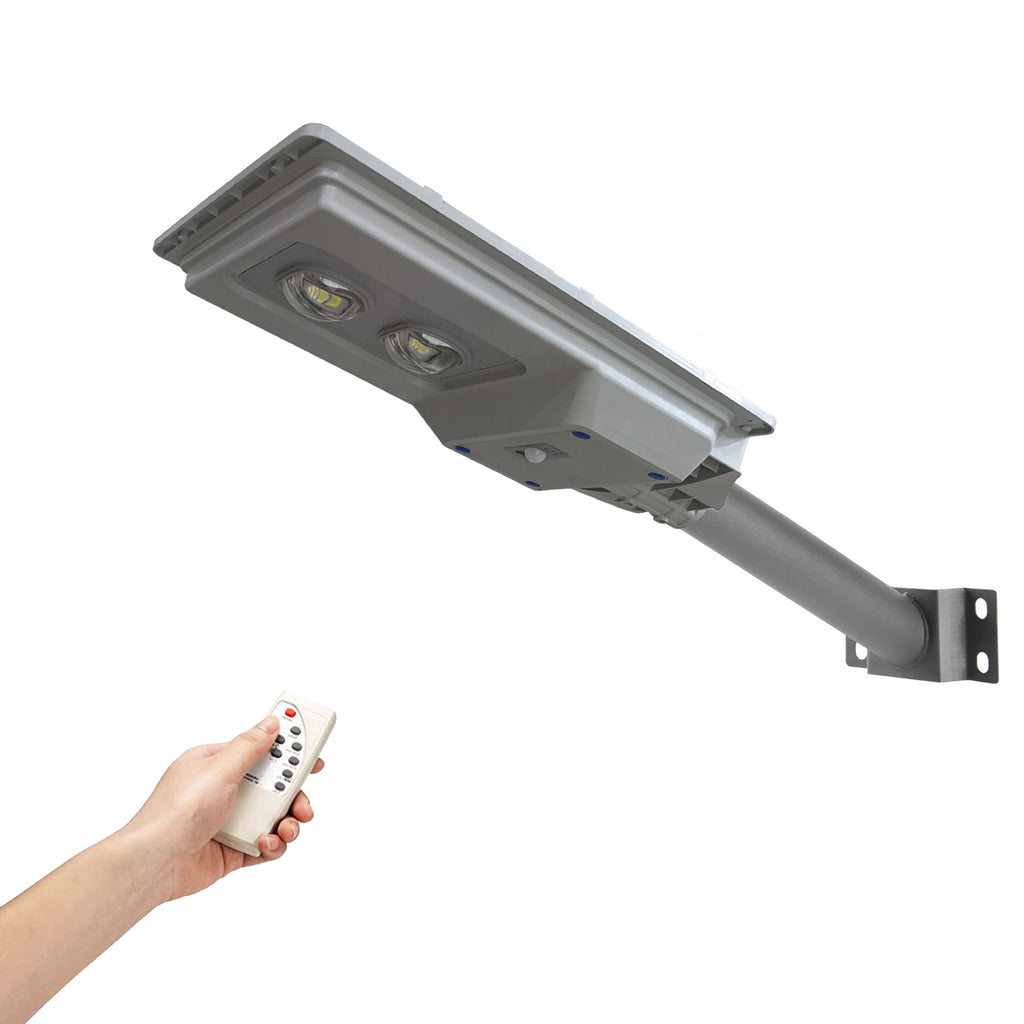
Every part of India lies north of the equator, so across the year the sun tracks through the southern half of the sky. That single fact settles the question: a fixed solar panel in India should face south. Everything else — tilt, shade, dust — is refinement on top of that.
It sounds obvious written down, and it is still the most common siting mistake we see, because fixtures get mounted where they are convenient rather than where the sun is.
Orientation: south, and how much it matters
True south is the target. Modest deviations are tolerable — a panel pointed south-east or south-west gives up some harvest but keeps working, and it shifts when during the day the fixture collects most of its energy. South-east favours morning sun, useful where afternoon brings cloud or a building shadow. South-west favours the afternoon.
East or west facing costs you meaningfully more, because the panel only sees strong sun for part of the day. It can still work for a low-demand fixture in a sunny position, but it is a compromise you should make knowingly.
North facing is the one to avoid. A panel on a north wall or a north-facing slope never sees direct sun for much of the year. It collects only diffuse skylight, which is a fraction of what it needs. This is why "will solar lights work on the north side of the house" comes up so often, and the honest answer is: not well, and no larger battery will fix it. A battery stores charge; it cannot create it.
If the only available position faces north, the fix is to separate the panel from the lamp. Many street fixtures allow the panel to be angled independently of the light head, so the lamp can go where you need illumination while the panel is turned towards the sun. Where that is not possible, choose a different position.
Tilt: roughly your latitude, and never flat
For a fixed panel, a tilt angle approximately equal to the local latitude is the standard rule of thumb for year-round output. In practice:
- Bengaluru, Chennai, Hyderabad (around 13–17°N) — a shallow tilt, roughly 13 to 17 degrees.
- Mumbai, Pune (around 19°N) — near 19 degrees.
- Delhi, Jaipur, Lucknow (around 27–29°N) — a steeper 27 to 29 degrees.
Tilting a few degrees steeper than latitude favours winter, when days are shortest and runtime is most at risk. Since winter is when solar lights struggle, erring slightly steeper is usually the better trade in northern India.
What you must not do is mount the panel flat. A horizontal panel loses output, and more importantly it stops shedding water and dust. Rain on a tilted panel runs off and takes dust with it; on a flat panel it pools, dries, and leaves a mineral film that is far harder to remove than loose dust. In a dusty Indian environment, tilt is a self-cleaning mechanism as much as an angle of incidence.
Shade beats orientation, every time
A perfectly oriented panel in shade is worse than a compromised one in full sun. Shade is the first thing to check and the thing most often missed, because it moves.
Walk the site at three times on a clear day — mid-morning, noon and mid-afternoon — and note what falls across each proposed position. Then think about what the picture looks like in December, when the sun sits lower and shadows run longer, and about the tree that will be two metres taller in four years. A fixture that is marginal in June fails in December, which is exactly when people report that their lights "suddenly stopped".
Partial shade is not proportional, either. A shadow across part of a panel can cost more output than its area suggests, because of how cells are wired in series. Half a shaded panel is not half output.
How this applies to an all-in-one fixture
Integrated fixtures put panel, battery, controller and LED in one housing, which is why they install so quickly. The trade-off is that orienting the panel and aiming the light become the same decision.
In practice this means the mounting position has to satisfy the panel first. On a pole in open ground that is easy — orient the whole fixture south and aim the head along the road. Against a building it needs thought, and it is worth checking whether the model allows the panel to be tilted separately before committing to a wall. All-in-one versus traditional two-part systems covers where each suits.
A short checklist
- Face the panel south. Accept south-east or south-west; avoid north.
- Tilt roughly to your latitude, a little steeper if winter runtime matters.
- Never mount flat — you need the runoff.
- Check shade at three times of day, and think a season and a few years ahead.
- Clean the panel at the start and end of monsoon. See maintenance of solar lights.
Frequently asked questions
Which direction should solar panels face in India?
South. All of India is north of the equator, so the sun tracks through the southern sky across the year. South-east or south-west are acceptable compromises that shift collection towards morning or afternoon; north-facing positions should be avoided.
Will solar lights work on the north side of a house?
Poorly. A north-facing panel sees little or no direct sun for much of the year and collects only diffuse light. A bigger battery will not help, because the problem is charge coming in, not storage. Either mount the panel separately where it can face south, or choose a different position for the fixture.
What angle should a solar panel be tilted at?
Roughly the local latitude — about 13 to 17 degrees around Bengaluru, Chennai and Hyderabad, near 19 in Mumbai and Pune, and 27 to 29 across Delhi and much of the north. A slightly steeper angle favours winter output, which is when runtime is most at risk.
Can a solar panel be mounted flat?
It should not be. A flat panel loses output and, more importantly, stops shedding rain and dust. Water pools and dries into a film that is much harder to clean than loose dust. Tilt is part of how the panel keeps itself clean.
How much does shade affect a solar panel?
More than its area suggests. Because cells are wired in series, a shadow across part of a panel can cut output disproportionately. Shade matters more than orientation — a well-aimed panel in shade performs worse than an imperfectly aimed one in full sun.
Talk to the people who build them
Shinesun manufactures solar street, flood, garden and gate lighting in Bangalore and supplies across India. Everything is quoted against the site rather than sold from a cart, because the right fixture depends on the mounting height, the spacing and what the ground is being used for. Send us the layout and we will size it. Browse the solar street light range or tell us about the site.
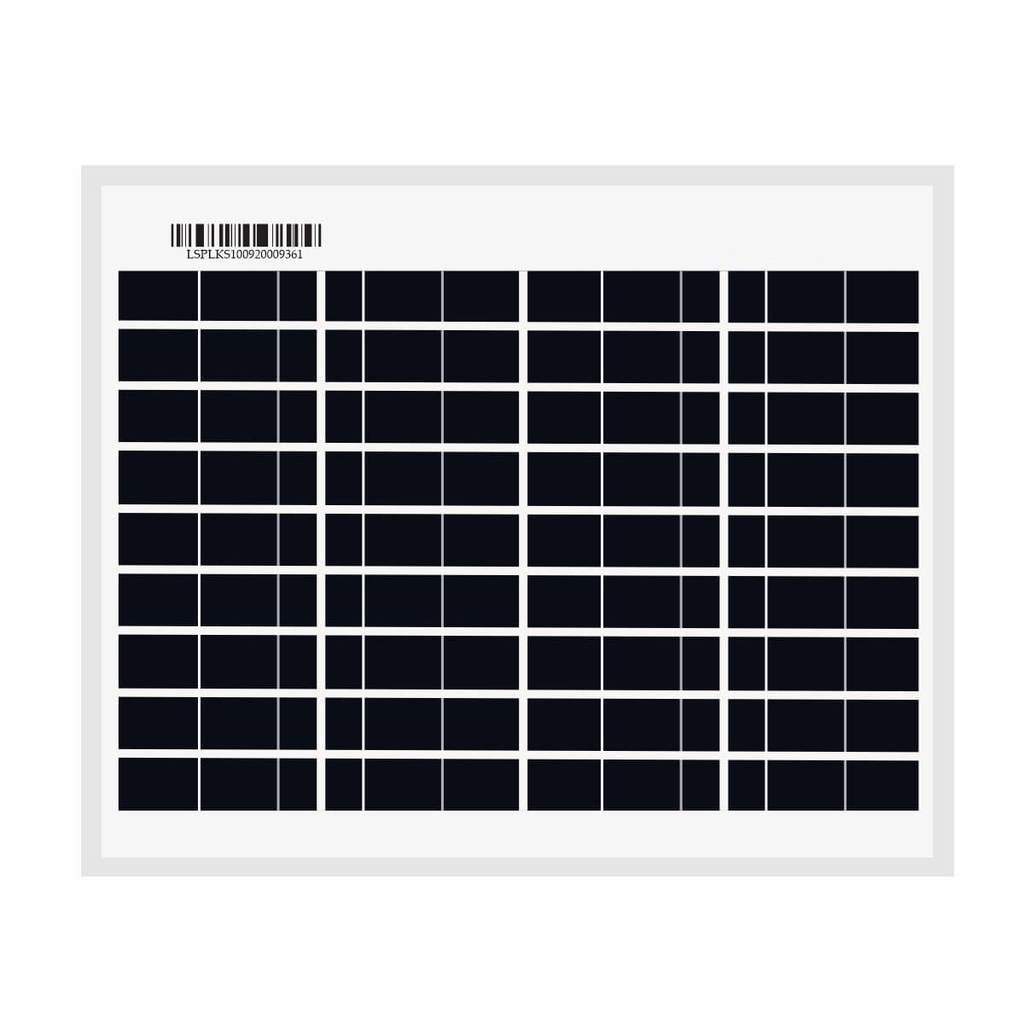
Shinesun Solar Panel
See the full range ›
Related reading
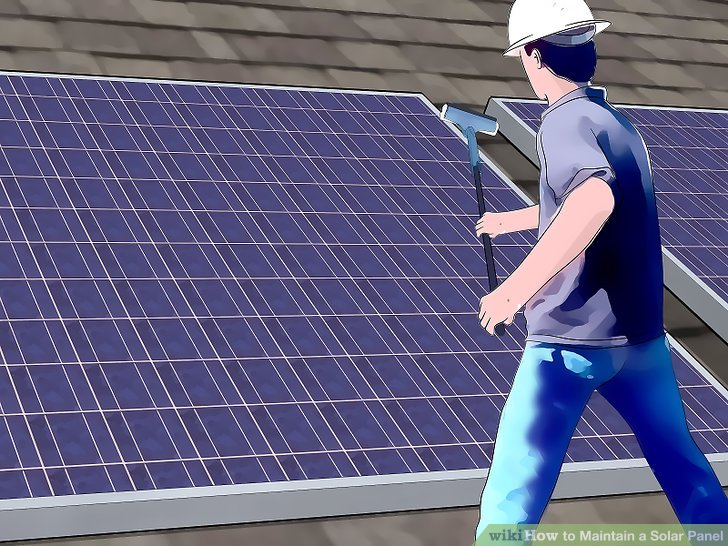
How to Clean the Solar Panel on a Solar Light
Panel dust is the most common reason a solar light underperforms, and the cheapest to fix. Two cleans a year, timed around the monsoon, recover more r...
Read more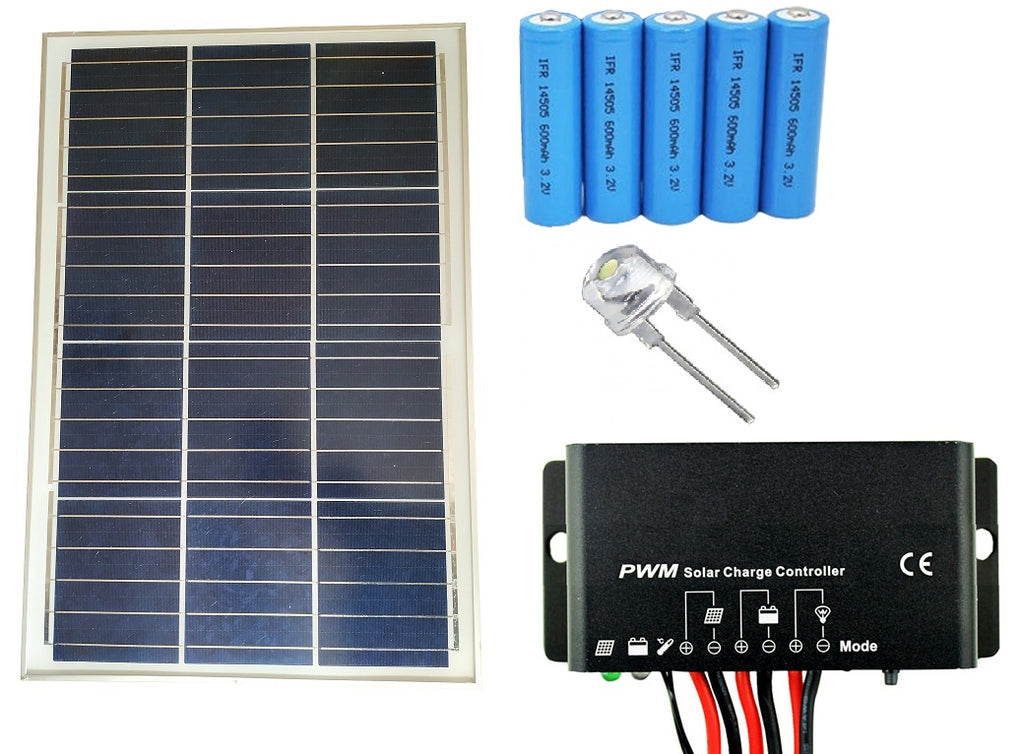
Efficiency of Solar Panel, LED, Battery, and Charge Controller (2026)
With the help of technology, there have been ongoing attempts to make solar energy more affordable and efficient. The efficiency of a solar light ten...
Read more
How Many Watts of Solar Street Light Do You Need?
Wattage is the number everyone quotes and the worst one to start from. Mounting height and spacing decide the answer, and getting those wrong is behin...
Read more