
Are Solar Lights a Fire Risk? What the Battery Chemistry Means
Shinesun's editorial team writes about solar lighting based on our manufacturing, installation, and field-service experience across India.
Since the run of electric two-wheeler and inverter battery fires from 2022 onwards, buyers ask about this directly, and they should. Any product containing a lithium cell deserves the question. The answer is neither "perfectly safe" nor "dangerous" — it depends on the chemistry inside, the electronics around it and the housing it all sits in.
The short answer
A properly specified outdoor solar light is a low-risk product, and lower still if it uses lithium iron phosphate. LiFePO4 is markedly more thermally stable than the lithium-ion chemistries that feature in most battery fire incidents. It is also mounted outdoors, in a sealed metal housing, away from anything flammable — which is a materially different situation from a battery charging indoors overnight.
That is not the same as saying nothing can ever go wrong, and a supplier who tells you it cannot is not being straight with you.
Why chemistry changes the failure mode
The mechanism behind a serious lithium battery fire is thermal runaway: a cell overheats, the heat drives a reaction that produces more heat, and the process accelerates. What determines how bad that gets is largely what the cathode does when it gets hot.
Common lithium-ion cathode materials can release oxygen as they break down. Oxygen released inside a cell that is already too hot feeds the reaction, which is why these events can escalate and spread between cells.
Lithium iron phosphate has a much more stable phosphate structure. It does not shed oxygen the same way, it enters runaway at a considerably higher temperature, and a failing cell is far more likely to vent and stop than to propagate. This is a real material difference, not marketing, and it is a large part of why the chemistry became standard in stationary storage and outdoor lighting.
Our street lights use LiFePO4 for exactly this combination of reasons — service life, heat tolerance and failure behaviour. See LiFePO4 versus lithium-ion.
What actually causes failures
In practice, cells rarely fail on their own. The causes worth worrying about are around them:
- No or poor battery management. The BMS prevents overcharge, over-discharge and charging outside safe temperatures. It is the single most important safety component and the easiest one to cheapen invisibly.
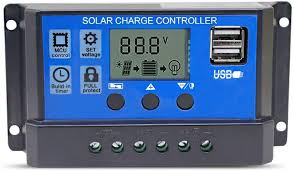
- Bad charge control. A controller that keeps pushing current into a full battery is the classic route to trouble. This is one reason we fit MPPT above 30 W: better regulation as well as better harvest.
- Water ingress. Water reaching the electronics causes short circuits. An IP65 minimum outdoors, IP66 where fully exposed, is a safety specification as much as a durability one.
- Sustained heat with no thermal design. A sealed plastic box in direct Indian sun with the battery pressed against the hot face ages the cell fast and pushes it towards its limits. Die-cast aluminium both sheds heat and does not burn.
- Mixed or salvaged cells. The bottom of this market uses recovered cells of uncertain history. This is where the genuine risk concentrates.
What to check before buying
- Named chemistry. "Lithium" is not an answer. Ask whether it is LiFePO4 or lithium-ion, and expect a straight response.
- A stated BMS. If the specification does not mention battery management at all, ask.
- An IP rating on paper. IP65 is the outdoor floor; IP66 for fully exposed positions. No stated rating means treat it as unrated.
- Housing material. Die-cast aluminium with powder coating outlasts ABS plastic in Indian sun and handles heat better.
- A supplier who will answer. Vague answers on chemistry and protection are the warning sign, more than any single specification.
Sensible siting
None of this is difficult, but it is worth stating. Do not mount fixtures directly against thatch, dry timber or stored fuel. Keep them clear of anything that would make a small fault into a large one. Do not modify the wiring or fit a different battery — the charge control is matched to the cell, and mismatching them removes the protection. And if a fixture ever shows a swollen housing, a burning smell or heavy discoloration, take it out of service and tell the supplier rather than opening it.
For most buyers the practical summary is short: outdoors, sealed, aluminium, LiFePO4, with real charge management, is a low-risk arrangement. The risk lives in the unnamed cell in the unrated plastic housing at a price that seems too good.
Frequently asked questions
Can a solar light catch fire?
It is possible for any product containing a battery, but properly specified outdoor solar lights are a low-risk category. They sit outdoors in sealed metal housings away from flammable material, and the LiFePO4 chemistry used in quality street lights is substantially more thermally stable than the lithium-ion chemistries involved in most reported battery fires.
Is LiFePO4 safer than lithium-ion in a fire?
Yes, materially. The phosphate cathode does not release oxygen as it breaks down the way common lithium-ion cathodes can, it enters thermal runaway at a higher temperature, and a failing cell is more likely to vent and stop than to spread to its neighbours.
What causes solar light batteries to fail dangerously?
Rarely the cell alone. The usual causes are missing or poor battery management, a charge controller that does not regulate properly, water reaching the electronics through an inadequate housing, sustained heat with no thermal design, and salvaged or mixed cells of unknown history.
Are solar lights safe to mount on a house wall?
Yes, with normal care. Mount to masonry rather than directly against thatch or dry timber, keep fixtures clear of stored fuel, and do not modify the battery or wiring — the charge control is matched to the cell fitted.
What should I do if a solar light housing looks swollen or smells burnt?
Take it out of service and contact the supplier. Do not open the housing: opening it breaks the weather seal, can expose a damaged cell, and will normally end any warranty cover.
Talk to the people who build them
Shinesun manufactures solar street, flood, garden and gate lighting in Bangalore and supplies across India. Everything is quoted against the site rather than sold from a cart, because the right fixture depends on the mounting height, the spacing and what the ground is being used for. Send us the layout and we will size it. Browse the solar street light range or tell us about the site.
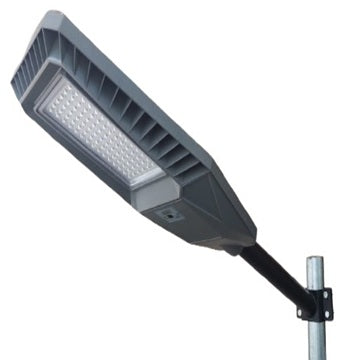
Shinesun Solar Street Lights
See the full range ›
Related reading
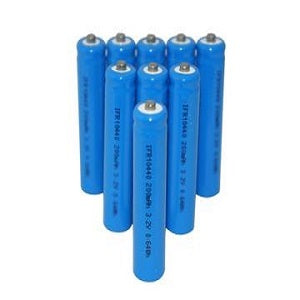
LiFePO4 vs Lithium-Ion in Solar Street Lights: Which and Why
LiFePO4 and lithium-ion get used as if one were simply the better version of the other. They are different chemistries with different jobs, and the ri...
Read more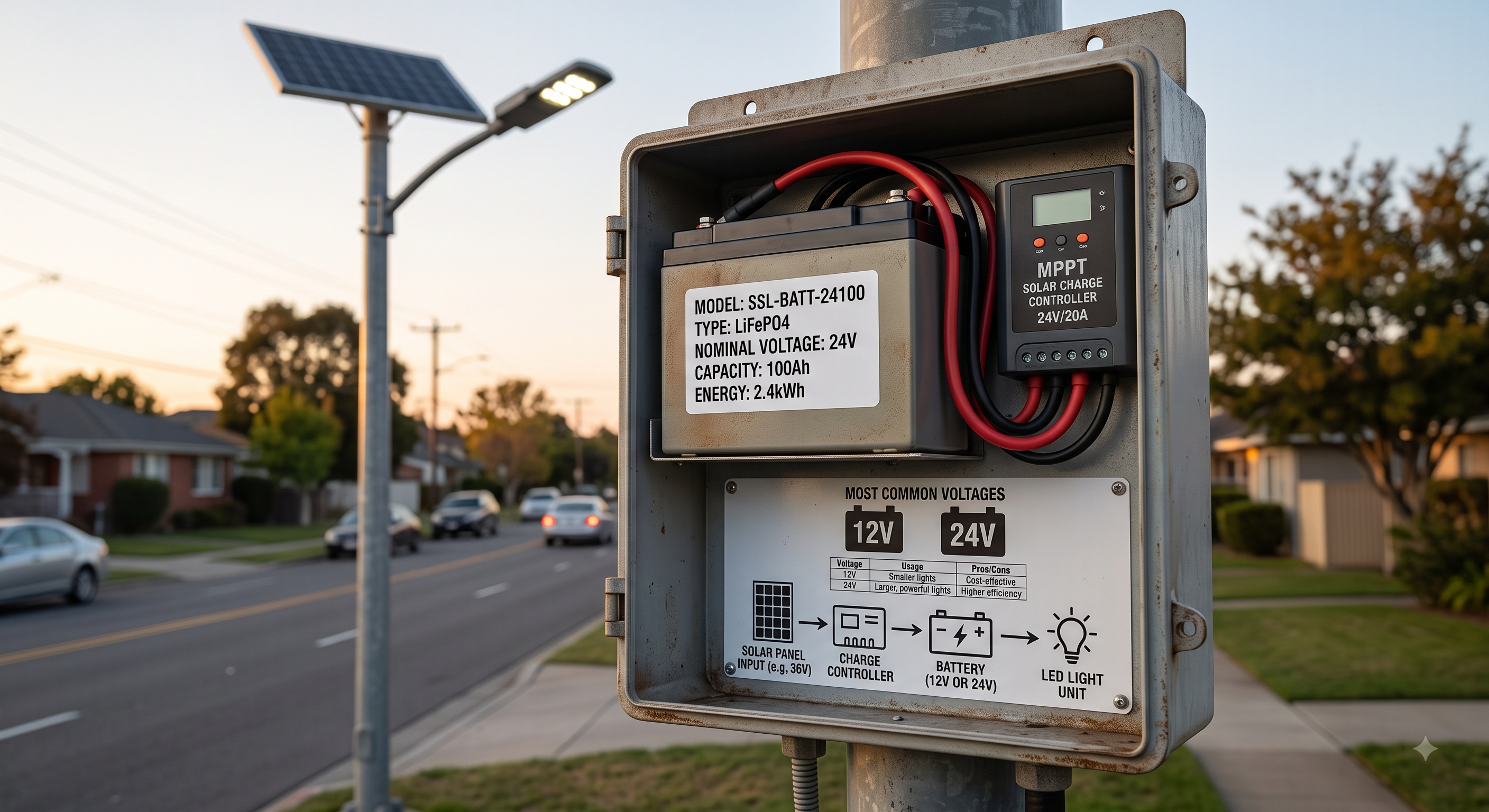
How Many Volt Battery is Used for a Solar Street Light
Read more
How Many Watts of Solar Street Light Do You Need?
Wattage is the number everyone quotes and the worst one to start from. Mounting height and spacing decide the answer, and getting those wrong is behin...
Read more