
How to Clean the Solar Panel on a Solar Light
Shinesun's editorial team writes about solar lighting based on our manufacturing, installation, and field-service experience across India.
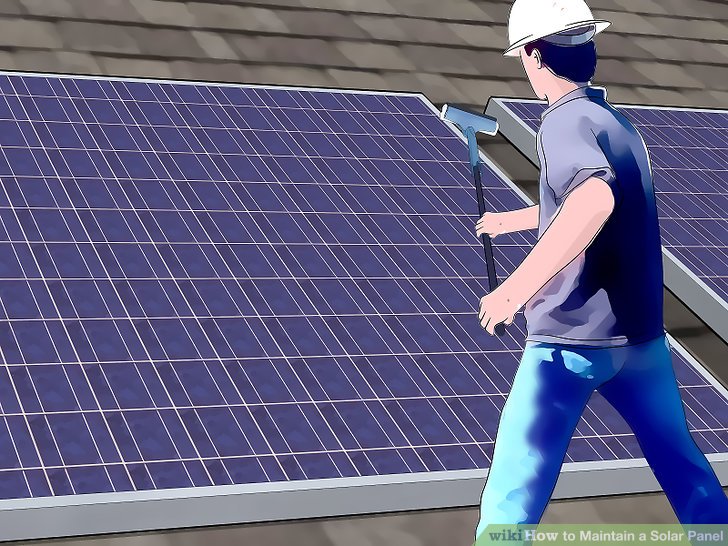
Of everything that goes wrong with a solar light, panel soiling is the most common and the only one you can fix for nothing. In Indian conditions a panel that has never been cleaned loses a meaningful share of its output, and because the loss arrives gradually nobody notices until the fixture starts cutting out before dawn.
It is also the easiest thing to get wrong, because the instinct is to scrub.
Why dust costs more than it looks like it should
A solar panel does not fail when it gets dirty; it simply collects less. The film that builds on a panel beside an Indian road is not opaque, so the fixture carries on working and the deficit shows up at the far end of the night instead.
Two things make it worse than a glance suggests. The first is that the film is even — it covers the whole surface, so there is nothing to compare it against and your eye adjusts. The second is that rain does not reliably fix it. Rain lands carrying dust, runs across the glass and evaporates, leaving a fine mineral haze behind. A monsoon can leave a panel dirtier than it found it.
The test takes ten seconds: wipe one corner with a damp cloth and look at the boundary. If the cleaned corner is visibly brighter than the rest, that difference has been costing you runtime all season.
How to clean it
- Do it early morning or evening. Cold water on glass that has been in the midday sun is a thermal shock, and on a hot panel water evaporates before you have wiped it, leaving streaks that attract more dust.
- Switch the fixture off if it has a switch. Not strictly necessary, but it stops a motion sensor triggering while your hands are in front of it.
- Rinse or wet the surface first. Plain water. The point is to float the grit off before anything touches the glass — dragging dry grit across a panel is how you scratch it.
- Wipe with a soft cloth or sponge. Microfibre is ideal. Work in straight passes rather than circles so you are lifting dirt off rather than moving it around.
- For stubborn film, add a drop of mild dish soap to a bucket of water, then rinse properly. Residue left behind is itself sticky and collects dust faster than bare glass.
- Dry with a clean cloth, or let it air-dry if your water is soft. Hard water left to dry leaves exactly the mineral spotting you are trying to remove.
What not to use
- No abrasives. No scouring pad, no scrubbing brush, no powder. The anti-reflective coating on the glass is the part doing the work, and scratches in it are permanent.
- No solvents, thinner, petrol or strong detergent. They attack the coating and the frame seals.
- No pressure washer. It will drive water past seals that were designed for rain, not for a jet held 200 mm away. This is how a well-rated fixture starts leaking.
- No metal scraper for bird droppings. Soak them with water and patience instead.
How often
Twice a year suits most sites, and when matters more than the count:
- Before the monsoon — so that the rain that does fall lands on clean glass rather than cementing a season of dust into place.
- After the monsoon — to remove the mineral haze the rain leaves behind. This is the single highest-value clean of the year, and the one almost everyone skips because the panel has just been rained on.
Raise that to quarterly, or monthly, if the fixture is near an unpaved road, a construction site, a cement or stone-cutting operation, or under trees that drop sap or attract roosting birds. On a boundary wall facing a busy road, assume it needs more than you think.
Check the tilt while you are there
Mounts loosen. A panel that has crept towards horizontal collects less light and, more importantly, stops shedding water — so rain pools and dries instead of running off and taking dust with it. Tilt is a self-cleaning mechanism as much as an angle, which is why a flat-mounted panel needs cleaning far more often. See which way a solar panel should face in India.
Also glance at the shade picture. A panel that was in full sun when it was installed may now sit under two seasons of tree growth, and no amount of cleaning will fix that.
When cleaning is not the answer
Cleaning recovers lost output. It does not create output that was never available. If a fixture is still cutting out early on a clean panel in full sun after two clear days, the problem is elsewhere — shading, a battery at end of life, or a fixture undersized for the job. Why your solar light stopped working runs through those in order, and post-monsoon failures covers the seasonal pattern specifically.
And do not open the housing to investigate. The seal is what gives the fixture its IP rating, and breaking it is how a dry fixture becomes a wet one. See IP ratings and housing.
Frequently asked questions
How do I clean the solar panel on a solar light?
Rinse it with plain water first to float the grit off, then wipe with a soft or microfibre cloth in straight passes. Add a drop of mild dish soap for stubborn film and rinse it off properly. Clean early morning or evening, never on glass that has been sitting in midday sun.
How often should solar panels on solar lights be cleaned?
Twice a year for most sites — once before the monsoon and once after. Go quarterly or monthly near unpaved roads, construction, cement or stone work, or under trees. The post-monsoon clean matters most and is the one people skip, because the panel has just been rained on.
Does rain clean solar panels?
Not reliably. Rain washes while it is falling, but it also arrives carrying dust, runs across the glass and evaporates, leaving a fine mineral haze. Panels mounted flat suffer worst because the water pools instead of running off.
Can I use a pressure washer on a solar light?
No. The housing is sealed against rain, not against a jet at close range, and a pressure washer will drive water past seals that were coping perfectly well. It is a common way to turn a working fixture into a leaking one.
What should I never use to clean a solar panel?
Anything abrasive — scouring pads, brushes, powders — because scratches in the anti-reflective coating are permanent and that coating is doing the work. Also avoid solvents, thinner, petrol and strong detergents, which attack the coating and the frame seals.
Talk to the people who build them
Shinesun manufactures solar street, flood, garden, pathway and gate lighting in Bangalore and supplies across India. Everything is quoted against the site rather than sold from a cart, because the right fixture depends on where it is mounted and what the ground is being used for. Browse the full range or tell us about the site.