
Benefits of Solar Home Lights in India (2026)
Shinesun's editorial team writes about solar lighting based on our manufacturing, installation, and field-service experience across India.
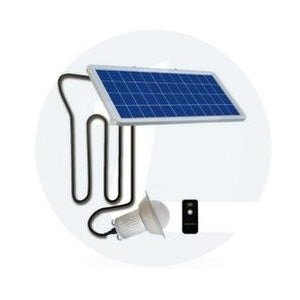
Solar lighting for Indian homes has evolved well beyond the basic backup-power role it played in the 2010s. In 2026, the case for solar in residential use breaks into outdoor lighting (where it dominates) and indoor emergency lighting (where it complements grid power). Here's the practical view of what makes sense for an Indian home today.
Where solar wins clearly for homes
1. Outdoor lighting — gate, driveway, garden, compound
Outdoor solar lighting is the natural fit. No cabling from indoor switches, works through power cuts, no electricity bills, and modern fixtures install in hours. For most outdoor applications around the home, solar should be the default choice — see using solar street lights in gardens for fixture types.
2. Indoor emergency / backup lighting
Solar-charged emergency lights (typically mounted on walls, with a charging panel on the roof or window) provide automatic illumination during grid outages — no diesel generator, no UPS battery replacement cycles. Shinesun's emergency lights serve this role.
3. Gate lights and entry security
The Volcano series and similar gate-mount solar lights illuminate entry points 24/7 without any wiring, with motion-triggered brightness for arriving visitors or perimeter security. See solar gate lights.
The clear benefits
Outage resilience (the killer feature in India)
Grid power cuts remain a daily reality across most of India. Solar-charged lights keep working regardless. For outdoor areas (where you most need light during an outage, e.g., emergencies, evening navigation), solar provides reliable lighting that grid simply cannot match.
Zero ongoing cost
Once installed, solar lights cost nothing to run. Across a household with multiple outdoor fixtures, the annual electricity savings vs grid alternatives is meaningful, particularly as commercial-residential tariff differentials continue to grow.
No cabling or DISCOM coordination
Installing a new outdoor light from grid power often means wiring back to an indoor circuit, possibly extending a meter, and (for high loads) coordinating with the DISCOM. Solar fixtures install standalone — no wiring back to the house, no meter changes, no paperwork.
Long lifespan with minimal maintenance
Quality solar fixtures with LiFePO4 batteries last 8-10 years before battery replacement. LED chips last 50,000+ hours. Maintenance is essentially limited to panel cleaning a few times a year.
Real environmental impact
India's grid mix remains around 70% fossil. Every fixture switched from grid to solar directly removes that consumption. For environmentally-conscious households, the carbon math is meaningful even at residential scale.
Where solar is not the right home choice (be honest)
- Primary indoor lighting — rooms used all evening need grid-tied lighting with proper light levels; solar emergency lighting complements but doesn't replace this.
- Heavily shaded outdoor spaces — under dense tree canopy or against the north wall of a tall building, panel charging is unreliable.
- Indoor high-output needs — kitchen task lighting, study desks, etc. Solar isn't the right fit; grid LED is.
Practical home solar lighting setup
For a typical Indian home, a sensible setup might include:
- Solar gate lights at the main entrance
- One or two solar garden / area lights for the compound or garden
- Solar wall lights along the perimeter for boundary illumination
- Solar flood light at any dark side or back access point (motion-activated)
- Optional: solar-charged indoor emergency lights for outage backup
Total cost is far less than running grid wiring for the same coverage, and the system is independent of grid reliability.
For specific home recommendations, browse the solar street lights, garden lights, and gate lights ranges, or talk to the Shinesun team about your home setup.