
Top 10 Reasons to Go Solar in 2026
Shinesun's editorial team writes about solar lighting based on our manufacturing, installation, and field-service experience across India.
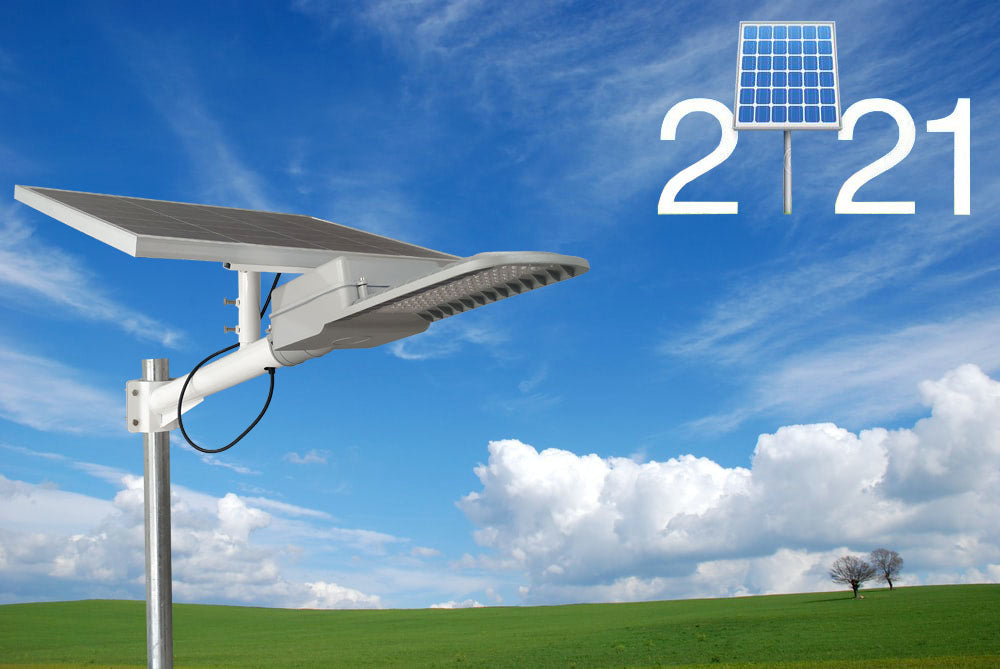
The case for solar in India has only strengthened since the late 2010s. Falling panel prices, mature LiFePO4 batteries, the PM Surya Ghar Muft Bijli Yojana scheme for rooftop, and rising grid tariffs have all pushed the math in solar's direction. Here are the ten strongest reasons to make the switch in 2026.
1. Panel prices have collapsed
The cost per watt of solar panels has fallen ~80% over the past decade. What was a niche premium product in 2015 is now competitive with grid electricity on a lifecycle basis, often outright cheaper.
2. LiFePO4 batteries have matured
Battery storage was the weak link in solar through the 2010s. LiFePO4 changed that — 8-10 year lifespan, stable in Indian heat, very low fire risk. For outdoor solar lighting and home storage, the battery side of the equation is now solved technology, not a compromise.
3. PM Surya Ghar Muft Bijli Yojana — substantial subsidy support
Launched in February 2024, the scheme offers central subsidies of up to ₹78,000 for residential rooftop solar installations (capped at 3 kW). For eligible households, the effective payback period is now 4-6 years on grid-tied rooftop systems. See our PM Surya Ghar guide for details.
4. Grid electricity tariffs keep rising
Commercial and industrial electricity tariffs in most Indian states have risen 30-50% over the past decade. The gap between solar-generated and grid-purchased electricity widens every year.
5. Off-grid options are genuinely turn-key
Solar street lights, garden lights, gate lights, and flood lights now install in hours, not days. No DISCOM paperwork, no meter coordination, no cabling. For lighting needs specifically — compounds, streets, parks, gates — the install experience is closer to "buy a light fixture" than "commission a solar system".
6. Grid reliability is still a real problem
Power cuts remain a daily reality in most Indian cities and towns. Solar with battery backup keeps lights on, water pumps running, and essential loads powered through outages — without diesel generator noise, cost, or emissions.
7. Maintenance is minimal
Solar panels typically warrantied for 25-30 years. LiFePO4 batteries 8-10. LEDs 50,000+ hours. The actual ongoing maintenance is panel cleaning every few months in dusty regions. Compared to a diesel generator (oil, filters, service intervals) or grid bills, solar is genuinely lower-touch.
8. The carbon impact is real and measurable
India's grid mix is still around 70% fossil fuels. Every kWh of solar generated displaces grid consumption directly. For ESG-conscious buyers (schools, corporates, religious sites, gated communities), the carbon math is easy to quantify and report.
9. Property value uplift
Both residential and commercial properties with installed solar typically see a small but measurable property value premium. Buyers are increasingly willing to pay for installed renewable infrastructure that lowers their future running costs.
10. The supply chain is local
Indian solar manufacturing has scaled significantly. Anti-dumping measures and PLI schemes have supported domestic panel and battery production, reducing dependency on imports and shortening lead times for replacement parts.
Where to start
For outdoor lighting needs (streets, gates, gardens, compounds), Shinesun's off-grid solar lighting range is the simplest entry point — see the Solar Bat 40W as a typical first fixture, or talk to our team for site-specific recommendations.
For rooftop solar (which Shinesun doesn't sell directly), the PM Surya Ghar Muft Bijli Yojana national portal at pmsuryaghar.gov.in is the right starting point for residential applications.