
Solar Street Light Controllers — PWM vs MPPT in 2026
Shinesun's editorial team writes about solar lighting based on our manufacturing, installation, and field-service experience across India.
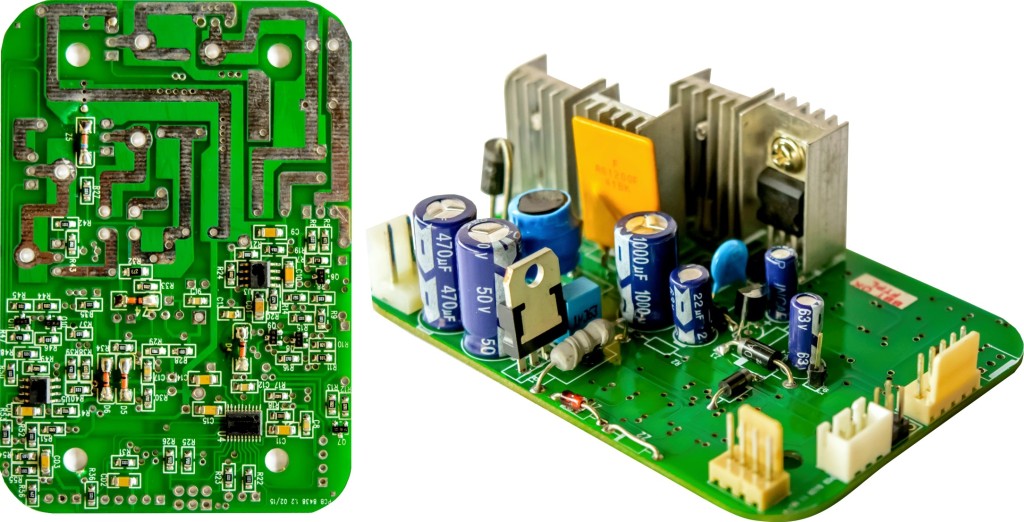
The charge controller is the often-overlooked component in a solar street light, but it has outsized impact on system performance. It manages the flow of energy from panel to battery, protects the battery from overcharge and deep discharge, and handles the dusk/dawn switching that turns the LED on at night. The two dominant controller types in 2026 are PWM (Pulse Width Modulation) and MPPT (Maximum Power Point Tracking).
What a charge controller does
- Voltage regulation — matches the panel's varying output to the battery's needs.
- Overcharge protection — disconnects the panel once the battery is full to prevent cell damage.
- Deep discharge protection — disconnects the LED if battery voltage falls too low, preserving battery health.
- Day/night detection — switches the LED on at dusk and off at dawn using panel voltage as a light sensor.
- Sensor input handling — manages motion or intelligent sensor signals to vary LED brightness.
PWM controllers
PWM controllers are simpler and cheaper. They essentially connect the panel directly to the battery, pulsing the connection on and off rapidly to limit charging current. They work well when the panel and battery voltages are closely matched (e.g., a 12V panel feeding a 12V battery), but waste energy when the panel can produce more voltage than the battery needs.
Where they fit: small fixtures (typically under 30W), cost-sensitive installations, residential gate lights where the few percent efficiency loss doesn't matter.
MPPT controllers
MPPT controllers actively track the panel's optimal voltage/current operating point (the "maximum power point") and convert that to whatever the battery needs. In ideal sunny conditions the difference vs PWM is small (5-10%). In cloudy, low-light, or off-MPP conditions — which is most of an actual operating day — MPPT extracts 20-30% more energy from the same panel.
Where they fit: any fixture above 30W, installations in cloudy regions (Northeast, Konkan), critical lighting where runtime reliability matters, or any time the cost premium (small in modern fixtures) is justifiable.
Quick comparison
| Property | PWM | MPPT |
|---|---|---|
| Energy capture vs MPP | ~70-80% | ~95%+ |
| Real-world advantage | — | 20-30% more energy in mixed conditions |
| Cost | Low | Moderate premium (small in absolute terms) |
| Best for | Small fixtures, sunny regions, tight budgets | Larger fixtures, cloudy regions, critical applications |
What to look for in a quality controller
- Battery chemistry support — make sure the controller is rated for the battery type (LiFePO4 charging profiles differ from lead-acid).
- Temperature compensation — adjusts charging voltage based on battery temperature; meaningful for hot Indian conditions.
- Reverse polarity and short-circuit protection — basic safety features that should be standard.
- Status indicators — LEDs or display for fault diagnosis. Worth having for serviceable fixtures.
- Tested at full rated current — many cheap controllers fail at sustained high current; ratings should be conservative.
Shinesun's larger street light fixtures (Nightjars 100W and above) use MPPT controllers as standard. Smaller fixtures use PWM where the cost/efficiency tradeoff favours simplicity. Browse the street light range or talk to our team for specifics on a particular fixture.