
How to Install Solar Garden Lights — A 2026 Guide
Shinesun's editorial team writes about solar lighting based on our manufacturing, installation, and field-service experience across India.
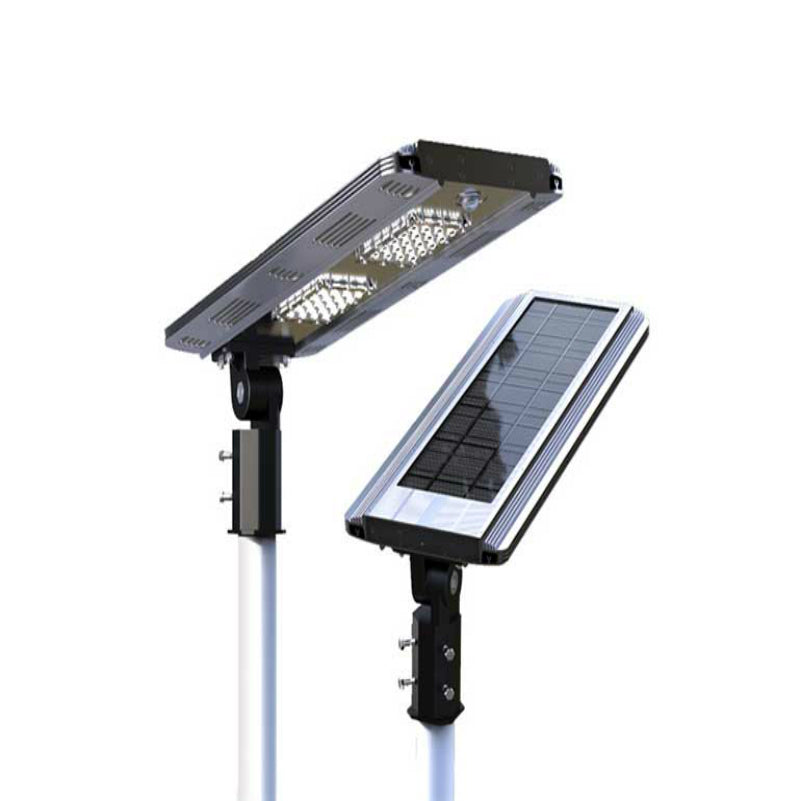
Solar garden lights are one of the friendliest DIY home projects — most install in under an hour with basic tools, and a well-installed setup transforms a garden visually while delivering practical security at zero ongoing cost. Here's how to install them properly in 2026.
Before you buy or install — plan first
Spend 30 minutes planning what you actually want to light:
- Pathways — small fixtures every 1.5-2m along the path
- Wall accents — fixtures highlighting feature walls or perimeter
- Garden area — one or two larger fixtures for general illumination
- Security flood — motion-activated at access points
- Gate — entry-point illumination
Map these out on paper before buying. Less is more for decorative lighting; over-lit gardens lose atmosphere. See best solar garden lights.
Critical: assess sun exposure at each spot
Walk the planned positions at 10am, noon, and 3pm:
- Check for shade from trees, walls, or structures at each time
- Consider seasonal sun angle changes (winter sun lower, summer higher)
- Account for future shading (growing trees, planned construction)
For all-in-one fixtures, the panel is integrated. The fixture must be mounted where the panel sees direct sun for most of the day. If a spot is shaded, either move the fixture or pick a design with a separate panel that can be mounted in sun while the LED is in shade.
Fixture types and installation steps
Stake-mounted path lights
- Push the stake firmly into garden soil at the planned position
- For firm or rocky soil, use a hand drill or rod to make a starter hole
- Verify the fixture is vertical and the panel faces the sky (south for fixed-panel)
- Ensure the LDR (light sensor) isn't shaded by foliage or hanging branches
- Switch on (if there's a power switch); confirm it lights up at dusk
Solar gate lights
- Mark mounting holes on the gate pillar or wall
- Drill with masonry bit for concrete/brick, wood bit for wood
- Install wall plugs (concrete/brick) at appropriate depth
- Mount the fixture bracket with included screws
- Attach the fixture body; verify it's level
- Switch on; confirm dusk operation
Solar wall lights
Same basic steps as gate lights:
- Mark height and position (typically eye-level for ambient, higher for area)
- Drill, plug, mount bracket
- Attach fixture; verify panel faces sun direction
- Switch on; confirm operation
Solar garden pole lights (small, 2-3m)
- Excavate foundation: 0.3m × 0.3m × 0.4m typically for small garden poles
- Set pole base with concrete; allow cure (3-7 days for small poles)
- Mount fixture on pole top per fixture instructions
- Adjust panel orientation if separate
- Switch on; confirm operation
Solar flood lights (motion-activated)
- Mount the panel where it gets direct sun (south-facing)
- Mount the flood light head at the location to be lit (often a wall, gable, or pole)
- Run the cable between panel and flood head, secured against wind and abrasion
- Aim the flood head at the area to be lit; typically 30-45° from vertical
- Test motion sensor range and adjust if available
- Confirm dusk operation and motion-triggered brightening
Panel orientation for separate-panel fixtures
- Direction — south for fixed-mount in India
- Tilt — 15-28° from horizontal (roughly equal to your latitude)
- Avoid — east-only or west-only positions (lose half the day's sun); horizontal mounting (poor self-cleaning); shaded positions
Wiring (only for fixtures with separate panel)
- Cable should be UV-resistant outdoor-rated
- Run along walls or under garden edging to avoid trip hazards
- Use proper IP-rated cable glands at panel and fixture entries
- Keep cable length to manufacturer-specified maximum (longer cables = voltage drop, dim fixture)
Commissioning checklist (every fixture)
- Panel exposed to direct sun without shading at midday
- Fixture mounted securely and level
- Switch on (if applicable)
- Cover the LDR briefly to verify the fixture lights up (simulating dusk)
- Wait for actual dusk and verify automatic operation
- Test motion sensor by walking through detection zone
- Verify next morning that fixture is off and panel is charging
Common installation mistakes
- Installing in shade — fixture works for a few days off battery, then dies
- Wrong panel angle / orientation — fixture runs at reduced output
- LDR blocked by foliage — fixture stays off at dusk or comes on during the day
- Insufficient foundation for pole fixtures — pole leans in first monsoon
- Cheap stake lights in firm soil without prep — stakes bend or fixtures fall during installation
- Too many decorative lights — washes out the natural ambience of the garden
After install — first few weeks
- Allow battery to fully cycle 2-3 times before judging performance (fresh batteries need conditioning)
- Inspect fixtures after first rain for water ingress signs
- Verify panels are still clean (early dust accumulation can be surprising)
- Adjust positions if shading or operation issues become apparent
Maintenance after install
- Panel cleaning every 2-3 months
- Visual inspection twice yearly
- Battery replacement at year 4-6 for Li-Ion fixtures, 8-10 for LiFePO4
See solar light maintenance for the detailed schedule.
Shinesun garden light installation
Shinesun's garden, gate, wall, and flood lights are designed for straightforward DIY installation with included mounting hardware and clear instructions. For larger garden projects or specific siting questions, contact the team.