
Maintenance of Solar Lights (2026)
Shinesun's editorial team writes about solar lighting based on our manufacturing, installation, and field-service experience across India.
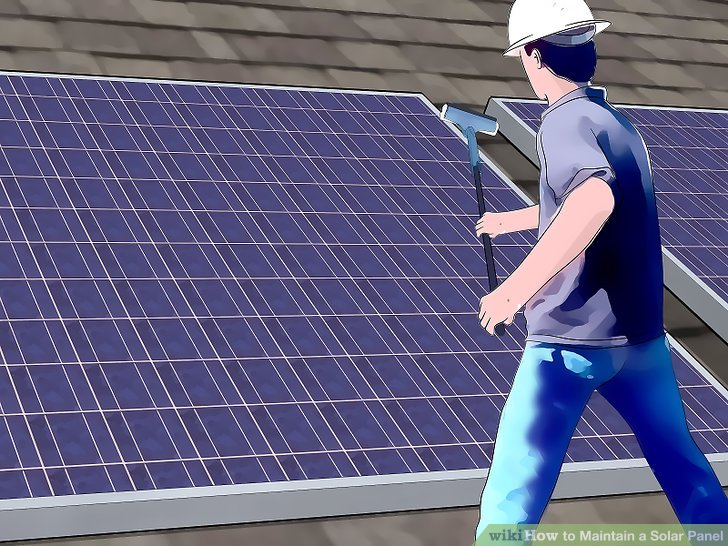
Solar lights are genuinely low-maintenance — far lower than grid alternatives. But "low maintenance" isn't "no maintenance," and a small amount of routine attention dramatically extends fixture life. Here's the 2026 practical checklist for what's actually needed.
The honest maintenance schedule
Every 2-3 months: panel cleaning
Dust, pollution, bird droppings, and tree debris reduce panel output by 10-25% over a few months in Indian conditions. Cleaning is a 5-minute job per fixture:
- Wait for a cool morning (cleaning hot panels can stress the cells)
- Soft cloth or sponge with plain water — no detergent needed for routine cleaning
- For stubborn dirt, diluted dish soap and a soft brush
- Never use abrasive pads, harsh chemicals, or high-pressure water
- Wipe dry with a soft cloth to avoid mineral spots
In dusty regions (NCR, Rajasthan, industrial belts), monthly cleaning is closer to optimal. Coastal regions benefit from quarterly cleaning to remove salt buildup.
Twice yearly: visual inspection
Pre-monsoon and post-monsoon walk-around for each fixture:
- Check for cracks or damage on the panel surface
- Verify the fixture is firmly mounted (vibrations and wind loosen hardware over time)
- Inspect for water ingress around seals (discolouration, condensation inside housing)
- Check the LED for dim/dead segments
- Confirm motion sensor responds normally at dusk
Annually: tighten and check
Once a year, give each fixture a structural check:
- Tighten panel mounting brackets and pole bolts
- Inspect cable entries for water-tight integrity
- Clean any vents or filters per fixture documentation
- Note battery age — plan replacement at year 8 for LiFePO4 fixtures
Years 8-10: battery replacement
LiFePO4 batteries deliver 8-10 years of service in typical conditions. Symptoms of end of life:
- Fixture starts dimming earlier in the night
- Fewer hours of useful light after a sunny day
- Fixture fails to recover after a cloudy spell
Use the manufacturer-specified replacement pack. Li-Ion fixtures (gate lights) typically need replacement at year 4-6.
What NOT to bother with
- "Cleaning solutions" or panel coatings — plain water and a soft cloth is sufficient. Aftermarket coatings rarely help and can void warranty.
- Bulb replacement — LED chips last 50,000+ hours; you're not changing them like a CFL.
- Battery topping — sealed lithium batteries need no fluid maintenance. (Old lead-acid systems sometimes did, but those are legacy.)
- Reprogramming — fixed-schedule fixtures don't need recalibration.
When to call for service rather than DIY
- Fixture dead and isn't a fouled panel issue
- Visible water inside the housing
- Battery showing symptoms before year 5 (premature failure under warranty)
- Pole damage or structural concern
- Motion sensor faulty after panel and battery checks pass
Maintenance for commercial installations
For commercial sites with 20+ fixtures, the math shifts. A scheduled quarterly cleaning by maintenance staff (often piggy-backed on existing landscape or facility rounds) costs essentially nothing per fixture but extends usable output considerably. For larger deployments, see commercial solar street lights.
Common mistakes that shorten fixture life
- Never cleaning the panel — slow accumulation reduces output, leading to "early battery failure" that's actually charge starvation
- Pressure-washing the panel — can damage gaskets and panel surface
- Ignoring water ingress warning signs — early intervention fixable; advanced ingress usually means full fixture replacement
- Buying budget fixtures expecting quality maintenance behaviour — cheap-import housings often can't be serviced; the only "maintenance" is replacement
Shinesun service support
For service questions, warranty claims, or scheduled maintenance enquiries on Shinesun installations, contact the team.