
How Long Do Solar Lights Stay On At Night? (2026 Guide)
Shinesun's editorial team writes about solar lighting based on our manufacturing, installation, and field-service experience across India.
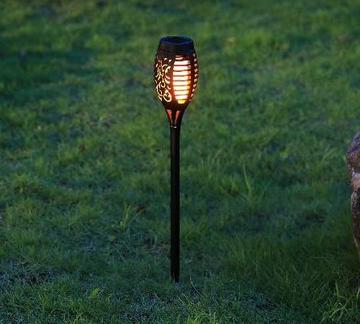
"How long will my solar light stay on?" is one of the most common questions buyers ask, and the honest answer is: it depends. The runtime of a solar light is set by four things — battery capacity, LED wattage, the previous day's charging, and whether a sensor is dimming the LED for part of the night. Here's how to estimate runtime for the fixture you're considering.
The runtime formula
Runtime (hours) = Battery capacity (Wh) × Depth of Discharge ÷ LED wattage × Sensor duty factor
For a 40W LED with a 600Wh LiFePO4 battery (80% DoD safely usable) and a motion sensor (effective 50% duty cycle):
600 × 0.8 ÷ 40 × 2 = roughly 24 hours of effective lighting capacity — easily covering a 12-hour Indian night with reserve for cloudy days.
Typical runtime by fixture type (full charge, motion sensor)
- Small garden/gate fixture (10-15W) — 12-15 hours nominal, easily covers a full night
- Mid-size street fixture (30-60W) — 10-14 hours, full night with reserve
- High-output street/road fixture (75-150W) — 8-12 hours, full night if properly sized
All of the above assume a properly-sized panel that recharged the battery during the previous day.
What reduces runtime
- Cloudy/rainy preceding day(s) — battery may not be fully charged. A properly sized system has 2-3 days of autonomy reserve.
- Cold weather (under 5°C) — battery charging efficiency drops; less concern for most of India.
- Aging battery — after 5-7 years, LiFePO4 capacity may have degraded 15-25%, reducing runtime proportionally.
- Panel soiling — dust on the panel reduces charging by 10-30%. Clean every few months in dusty regions.
- Full-brightness continuous mode — disabling the motion sensor roughly halves runtime.
How sensors extend runtime
Motion sensors are the single biggest practical extender of nightly runtime. When the area is empty, the LED dims to ~30% brightness — meaningfully visible but using a fraction of the energy. Over a typical night, this can double the effective hours the fixture stays useful.
Intelligent sensors layer on top: full brightness for the first few hours of evening when foot traffic is likely, gradual dimming as the night progresses, motion-triggered ramp-up if anything moves. For streets and public spaces, this gives all-night coverage without compromising battery life.
Should I worry about back-to-back cloudy days?
A well-designed solar street light system has 2-3 days of autonomy reserve — meaning it'll run a full night even if the previous 2 days were heavily overcast. Indian regions vary significantly: Rajasthan rarely has more than 1-2 cloudy days in a row, Northeast can have 4-5 day cloudy windows during monsoon. Pick autonomy accordingly.
Practical bottom line
A properly-sized solar street light from a reputable supplier will run the full Indian night (~12 hours) every night, year round, for 8-10 years on the original battery — provided the panel is unshaded and gets routine cleaning. Cheap-import fixtures with undersized panels or lead-acid batteries are where runtime problems usually originate.
For Shinesun's lineup, the Solar Bat 40W is sized for full-night residential and small-commercial use. For larger fixtures or specific runtime requirements, contact the team.